Export-Grade Micro-Mobility Fleet Portfolio
Engineered for Japanese regulatory alignment, urban durablity, and high-density commuter logistics across Greater Tokyo.
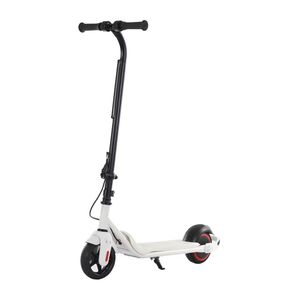
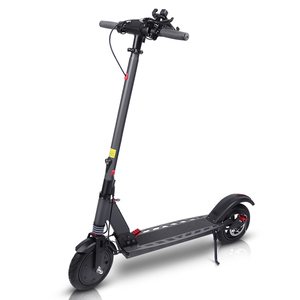
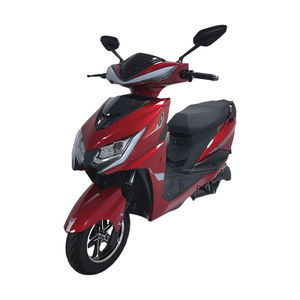
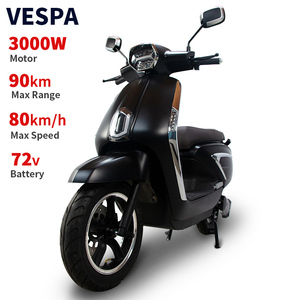
1. Strategic Executive Summary: The Tokyo Micro-Mobility Transformation
The urban mobility landscape across the Greater Tokyo Metropolitan Area is undergoing a structural paradigm shift. Driven by the landmark amendment to Japan's Revised Road Traffic Act (道路交通法) which established the "Specified Small Motorized Bicycle" (特定小型原動機付自転車 - Tokutei Kogata Gendoki Tsuki Jidosha) classification, electric scooters have officially transitioned from recreational novelties to legally recognized micro-mobility transit tools. This regulatory evolution eliminates driver's license requirements for models complying with specific dimension, speed limit, and safety lighting parameters, opening immense commercial opportunities for Japanese importers, urban logistics fleets, ride-sharing operators, and retail chains.
Navigating the Japanese market, however, demands an unprecedented level of manufacturing rigor. Japanese commercial buyers cannot rely on generic OEM catalog items. Importers servicing Tokyo, Yokohama, and the surrounding Kanto region face stringently enforced technical standards oversaw by the Ministry of Land, Infrastructure, Transport and Tourism (MLIT), mandatory METI battery notifications under the Electrical Appliance and Material Safety Law (PSE mark - 電気用品安全法), and rigorous Type Approval Testing (J-JIS alignment).
As a tier-one electric scooter manufacturer specializing in East Asian B2B supply chains, our factory infrastructure provides the exact engineering, thermal management, structural endurance, and telematics integration required to dominate Tokyo's commercial and consumer micro-mobility sectors.
Regulatory Key takeaway for Importers: Tokyo-compliant scooters must incorporate hard-capped dual-speed firmware (20 km/h roadway mode with solid green indicator lights; 6 km/h sidewalk mode with flashing green indicator lights), front/rear mechanical or regenerative braking systems, and certified PSE-marked lithium battery packs.
2. Localized Tokyo Application Scenarios
Tailoring vehicle architecture to the physical layout, transit habits, and weather dynamics of Tokyo's 23 Wards.
First & Last-Mile Station Commuting
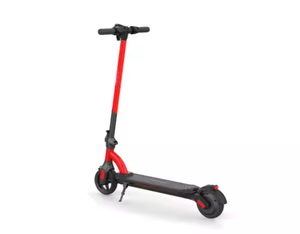
Tokyo's rail network—handling millions of daily passengers through hubs like Shinjuku, Shibuya, and Tokyo Station—creates intense last-mile friction. Our ultra-lightweight 6061-T6 aluminum foldable models feature one-second quick-folding mechanisms, allowing commuters to transition effortlessly into tight office storage spaces or residential apartments without violating building management guidelines.
Commercial Micro-Logistics & Delivery Fleets
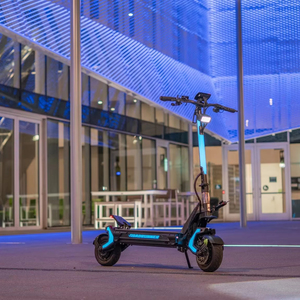
In congested commercial zones such as Ginza, Akihabara, and Roppongi, traditional light delivery vans encounter crippling parking restrictions and narrow alleyway navigation challenges. Our heavy-duty 1000W-3000W cargo e-scooter variants (including 3-wheeled stable platforms) allow express food and document delivery services to navigate pedestrian-heavy corridors with zero local emissions, low noise, and minimal operational downtime.
Tourism & Heritage Sightseeing Rental Ecosystems
High-density tourist zones such as Asakusa, Ueno, Odaiba, and Kamakura are rapidly adopting IoT-enabled shared e-scooter fleets. Our factory builds custom OEM IoT modules supporting 4G GPS telematics, automated geo-fencing, electronic speed throttling in heritage areas, and customized app integration tailored to Japanese user interfaces and multi-language tourist setups.
Corporate Fleet & Industrial Campus Mobility
Large corporate headquarters in Minato and Chiyoda wards, alongside sprawling technology campuses in Tsukuba and suburban Tokyo, utilize our custom-branded fleet vehicles to streamline employee movement between sub-facilities. Custom paint matching, laser-etched corporate branding, and automated charging dock stations are fully available through our ODM division.
3. Japanese Regulatory & Market Development Trends
Entering the Tokyo market requires absolute clarity regarding Japanese vehicle safety enforcement. The Japanese government's push toward carbon neutrality by 2050 has positioned electric micro-mobility as a primary driver of urban decarbonization. However, market access is guarded by strict technical hurdles:
Tokutei Kogata Standard
Vehicles must not exceed 190cm in length and 60cm in width. Maximum speed must be hardware-locked to 20 km/h on public roads, with an auxiliary 6 km/h mode designated for sidewalk operation.
Green Speed Indicator Lights
Mandatory front and rear speed indicator lamps (最高速度表示灯) that glow solid green during 20 km/h roadway operation and flash green continuously during 6 km/h sidewalk operation.
PSE Battery Safety Certifications
Lithium-ion battery packs must strictly pass METI JIS C 8712 and JIS C 8714 safety testing, proving structural isolation, anti-thermal runaway protocols, and overcharge protection circuits.
Our manufacturing facility operates a specialized assembly line dedicated exclusively to Japanese compliance specifications. We provide complete technical documentation packages, test reports, and factory audit records to support Japanese importers during METI notification filings and MLIT vehicle type approval (J-JIS).
4. B2B Commercial Product Matrix
Compare technical configurations designed for diverse Tokyo retail and commercial operational models.
| Vehicle Category | Primary Application | Motor & Voltage | Battery System | Japanese Regulatory Status | Brake & Suspension |
|---|---|---|---|---|---|
| Urban Commuter Platform | Last-Mile / Personal Retail | 350W - 500W Brushless | 36V / 48V (PSE Certified) | Tokutei Kogata Compliant | Front E-ABS + Rear Disc |
| High-Performance Dual Motor | Long-Distance / Hilly Terrain | 2000W - 4000W Dual Hub | 60V / 72V High-Output | Gendoki Tsuki Jidosha Class 1/2 | Dual Hydraulic Oil Brakes |
| Heavy Logistics Cargo (3-Wheel) | Last-Mile Courier & Food Delivery | 1000W Rear Differential | 60V Swappable Battery Pack | Commercial Utility Class | Parking Brake + Triple Disc |
| Foldable Ultra-Lightweight | Subway / Multimodal Commute | 250W - 350W Hub Motor | 24V / 36V Compact Lithium | Tokutei Kogata Compliant | Dual Mechanical Disc |
5. Why Partner with Our Manufacturing Facility
As an established global OEM/ODM manufacturer with decades of electro-mechanical engineering heritage, our production complex combines automotive-grade precision with scalable cost efficiency. When supplying Tokyo distributors, we mitigate supply chain risk through robust quality engineering:
Automotive-Grade QA & Testing Labs
Every production batch undergoes 100% dynamic load testing, salt-spray anti-corrosion evaluation (crucial for Tokyo's coastal humidity), chassis frame fatigue testing (100,000 stress cycles), and IPX6/IPX7 water-ingress validation to guarantee performance in Tokyo's summer typhoon seasons.
Custom Engineering & White-Label ODM
From proprietary frame geometry and colorway powder-coating to Japanese-language LCD dashboard integration and custom CAN-bus firmware development, our engineering team works directly with your product managers from design freeze to final packaging.
End-to-End Battery Safety Systems
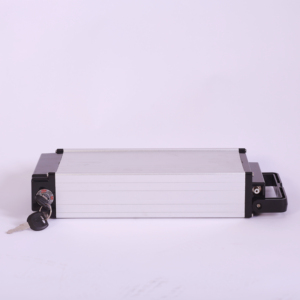
We integrate Tier-1 A-grade lithium cells (LG Chem, Panasonic, CATL) paired with smart BMS modules featuring real-time cell balancing, short-circuit shutdown, dual thermal sensors, and fire-retardant encapsulation to satisfy demanding Japanese safety audits.
Agile Supply Logistics & SKD/CKD Options
We offer flexible shipping options to Tokyo Ports (Tokyo Port, Yokohama Port), supporting Completely Built Up (CBU), Semi-Knocked Down (SKD), or Completely Knocked Down (CKD) delivery models to optimize import tariffs and local Japanese assembly workflows.
6. Frequently Asked Questions by Tokyo B2B Buyers
Addressing technical, legal, and logistic inquiries common among Japanese importers and commercial buyers.
How do your scooters comply with Japan's "Tokutei Kogata Gendoki Tsuki Jidosha" legal standards?
Our factory builds specific production lines pre-configured with dual-speed mode firmware (capped at 20 km/h and 6 km/h), front and rear green speed indicator lights (最高速度表示灯), physical dimension restrictions (under 190cm x 60cm), and compliant horn/reflectors. We provide full technical documentation to assist your registration with MLIT and local municipal offices in Tokyo.
What lithium battery certifications (PSE / UN38.3) do you provide for customs clearance?
All battery packs exported to Japan are supplied with official UN38.3 transport safety reports, MSDS sheets, and METI-compliant PSE test certificates (covering JIS C 8712 / 8714 guidelines). Each charger carries genuine diamond or circle PSE marks aligned with Electrical Appliance and Material Safety Law requirements.
What is your Minimum Order Quantity (MOQ) for custom OEM branding for Japanese retailers?
Standard factory MOQ for customized logo silk-screening, custom packaging, and localized user manuals starts at 50 to 100 units depending on the vehicle platform. For complete custom chassis tooling or proprietary frame ODM development, project terms are tailored following initial engineering evaluation.
How is warranty support and spare parts supply managed for Tokyo distributors?
We provide a comprehensive factory warranty (12 months on structural frame, motor, controller, and battery pack). We support Japanese partners by bundling a 2% to 3% free-of-charge fast-moving spare parts allocation (controllers, throttle assemblies, brake pads, LED lights) with every container shipment, alongside full technical service manuals and video schematics.
Can your factory integrate custom IoT platforms for shared scooter operators in Tokyo?
Yes. Our engineering team routinely integrates 4G LTE / GPS / Bluetooth IoT hardware directly into the vehicle stem. The controller firmware supports standard MQTT / API protocols, enabling real-time remote lock/unlock, battery SOC reporting, remote diagnostics, and geo-fenced speed reduction tailored to Tokyo's municipal riding zones.
What are the typical sea-freight transit lead times from factory floor to Tokyo Port?
Manufacturing lead time for standard wholesale orders is typically 20 to 30 days. Direct sea freight transit from our coastal port facilities to Tokyo Port or Yokohama Port generally takes between 4 to 7 days, ensuring exceptionally rapid replenishment cycles for seasonal demand spikes.
Expand Your Micro-Mobility Operations in Tokyo
Partner with an industry-leading OEM/ODM electric scooter manufacturer. Request factory-direct B2B pricing, complete technical compliance dossiers, or schedule an engineering consultation today.
Get a Quote