China Wholesale Dash Cam Manufacturers & Factory for Japan

OEM/ODM Drive Recorders (ドライブレコーダー) Engineered for Japanese Compliance: 55.5Hz Signal Synchronization, VCCI Class B Noise Cancellation, Supercapacitor Thermal Resilience, and TELEC Wireless Certification.

Japanese Retail-Ready OEM/ODM Product Catalog

Automotive-grade hardware customized for Japan’s specific telemetry, radio frequency, and climatic standards.

4K Dual-Channel
Electric Scooter ABE - Dash Cam Hardware Hub
Electric Scooter ABE & Urban Mobility Dual Drive Recorder
Integrated 27.5fps signal-sync dash cam tailored for Japanese electric micro-mobility & commuter fleets. Anti-vibration metal casing with PSE-certified battery module.
Get a Quote
360° Omnidirectional
Powerful Planetary Stand Mixer Frame Heavy Duty OEM Chassis
Heavy-Duty Taxi & Fleet 360° Surround Security Recorder
Industrial-grade multi-channel processing unit. Captures cabin interior and perimeter security for Japanese commercial taxi services with zero signal interference on digital TV (Full-Seg).
Get a Quote
Sony STARVIS 2
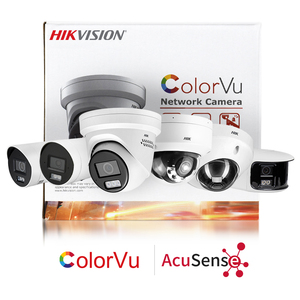
Hikvisions Pro Series Outdoor Security Drive Recorder
Ultra Night-Vision 4K/8K Parking Monitor Drive Recorder
Equipped with Sony IMX675 sensor, dual HDR, and low-voltage auto-cutoff. Designed for Japanese unlit residential streets (Narrow Touge & Alleyways) and 24-hour surveillance.
Get a Quote
IP68 Waterproof
Industrial Wet and Dry Dust Extractor Camera Module
Industrial Heavy-Duty Commercial Vehicle & Delivery Dash Cam
Dustproof, waterproof, and vibration-tested according to JIS D 1601 standard. Ideal for Japanese construction, logistics trucks, and wet/dry operational environments.
Get a Quote
Supercapacitor Tech
OEM Factory E Bikes Drive Recorder Integration
Compact Hidden Rear-View Mirror & E-Bike Dash System
Supercapacitor power supply rated up to 85°C. Eliminates battery expansion risks during hot Japanese summers while retaining emergency G-Sensor accident locked files.
Get a Quote
QZSS GPS + ADAS
Stainless Steel Automotive Recorder Enclosure
Telematics AI Fleet Management Dash Cam (Michibiki Sync)
Sub-meter accuracy tracking utilizing Japan’s Quasi-Zenith Satellite System (QZSS). Built-in driver fatigue monitoring and aggressive driving ("Aori Uten") alerts.
Get a Quote
TELEC WiFi Certified
Compact Foldable Driver Telematics Dash Unit
Ultra-Compact Stealth Front/Rear 2-Channel Drive Recorder
5GHz High-Speed WiFi for instant video downloads to Japanese smartphone apps (iOS/Android). Meets Japanese windshield clearance regulations (Shaken inspection compliant).
Get a Quote
Quality Assurance
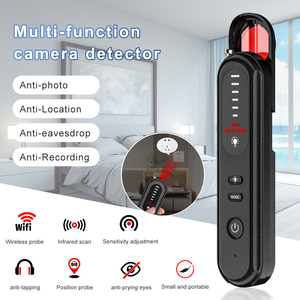
Smart Security Camera Finder Diagnostic Unit
Automotive Diagnostic & Signal Scanner Tool for Installers
B2B technician tool for inspecting RF leakage, cable shielding integrity, and VCCI EMC compliance during aftermarket installation in Japanese auto body shops.
Get a Quote
15+
Years OEM Experience for Japan
55.5Hz
LED Traffic Light Sync Frame Rate
<0.2%
Factory RMA Defect Rate
100%
VCCI & TELEC Compliant

Engineering Pillars for the Japanese Market

Why top Japanese electronics brands, auto parts retail chains (Autobacs, Yellow Hat), and Amazon Japan sellers source from our factory.

50Hz/60Hz LED Signal Flicker Elimination
Japan’s power grid is split into 50Hz (East) and 60Hz (West). Standard 30fps/60fps cameras fail to capture traffic lights due to blackouts. Our firmware locks precisely to 27.5fps and 55.5fps.
VCCI Class B Radio Interference Shielding
Japanese drivers rely heavily on terrestrial digital TV (Full-Seg/One-Seg) and GPS. Our PCBs feature multi-layer RF shielding and ferrite chokes, suppressing electromagnetic noise below strict VCCI limits.
Supercapacitor Thermal Stability (+85°C)
Lithium batteries degrade and pose fire hazards under Japanese summer car cabin heat (reaching 75°C-80°C). We utilize industrial supercapacitors, ensuring seamless emergency file locking without battery swelling.

Comprehensive B2B Sourcing Guide: Sourcing China OEM Dash Cams for the Japanese Market

As the Japanese automotive aftermarket accelerates its transition toward mandatory high-definition drive recorders—driven by strict amendments to the Road Traffic Act (道路交通法) regarding aggressive driving ("Aori Uten")—B2B buyers face unique technical hurdles. Sourcing generic dash cams from generic factories often leads to high return rates, bad reviews on Amazon Japan, and compliance failures during Japanese vehicle inspections (Shaken).

Information Gain Highlight: Sourcing drive recorders for Japan requires far more than picking a sensor resolution. It demands localized firmware adjustments for frequency phase synchronization, VCCI EMC shielding against digital TV reception degradation, and strict adherence to TELEC radio certifications for wireless models.

1. The Critical Hardware Specifications Unique to Japan

When selecting a Chinese manufacturing partner, Japanese automotive importers and brand owners must verify four baseline technical capabilities:

  • Frame Rate Telemetry (27.5fps / 55.5fps): Japan’s AC power grid is split into 50Hz in the East (Tokyo, Kanto) and 60Hz in the West (Osaka, Kansai). LED traffic lights cycle at double these frequencies (100Hz and 120Hz). A conventional 30fps or 60fps dash camera synchronizes with these pulses, causing traffic lights to appear off or flickering wildly in critical court evidence videos. Our factory implements custom chipset firmware (Novatek/Ambarella/GrainMedia) driving 27.5fps and 55.5fps to guarantee clear, continuous signal recognition.
  • VCCI Class B Noise Suppression: Japanese vehicles feature integrated 12V car navigation systems with delicate terrestrial TV receivers (Full-Seg / One-Seg) and satellite navigation units (QZSS Michibiki & GPS). Low-cost dash cameras emit high radio-frequency interference (RFI). Our OEM manufacturing process embeds automotive-grade aluminum foil shielding, anti-jamming chokes, and ground-isolated PCBs to pass VCCI Class B EMC testing.
  • Extreme Thermal Resistance (Supercapacitor Power Units): Parked cars in Japanese cities during July and August experience dashboard temperatures exceeding 80°C. Standard lithium-ion polymer batteries expand, leak, or fail, causing corrupted video files during ignition power-off. We fit 100% of Japanese-bound dash cams with premium internal supercapacitors rated from -20°C to +85°C.
  • PSE & TELEC Regulatory Compliance: Any dash camera featuring integrated 2.4GHz/5GHz WiFi or Bluetooth must possess TELEC (Giteki) certification to be legally distributed in Japan. Furthermore, step-down hardwire kits for 24-hour parking surveillance must strictly comply with PSE (Electrical Appliance and Material Safety Law) voltage regulation standards.

2. Localized Application Scenarios in Japan

Understanding where and how drive recorders are deployed in Japan helps OEM buyers choose the right chassis and lens configuration:

Vehicle Class / Use Case Key Operational Challenge Recommended Dash Cam Configuration Regulatory / Market Requirement
Kei Cars (軽自動車) & Compact Cars Small windshield surface; strictly monitored driver sightline rules. Ultra-compact hidden wedge cams or OEM rear-view mirror replacements. Must not exceed upper 20% of windshield height (Shaken compliant).
Commercial Taxi & Rideshare Fleets Passenger dispute logging & 24/7 continuous operation in dense urban areas. 3-Channel (Front 4K + Cabin IR Night Vision + Rear FHD) with dual SD cards. IR LEDs for dark cabin audio/video recording; high endurance microSD support.
Last-Mile Kei-Truck Logistics Vibration from small suspension systems & high daily ignition power cycles. Ruggedized industrial housing, G-Sensor locking, hardwired low-voltage cut-off. JIS D 1601 anti-vibration compliance; 11.6V automatic power shutoff.
Motorcycles & Delivery Scooters Exposure to typhoons, rain, pressure washes, and outdoor elements. IP67/IP68 dual lens system with separate main unit installed under the seat. Waterproof metal camera housing; anti-shake EIS electronic stabilization.

3. Japanese Market Development & Sourcing Trends (2025–2030)

The Japanese drive recorder market has evolved from simple single-lens crash capture devices into sophisticated multi-sensor telematics hubs. B2B buyers should align their product roadmaps with these key trends:

A. Rise of 360-Degree Omnidirectional & 3-Channel Recording: Side-impact collision footage and road rage incidents from side windows ("Aori Uten") have driven high demand for 360° panoramic cameras and 3-channel (Front, Rear, Cabin) setups. Consumers demand total visibility around the vehicle perimeter.

B. Integration of AI-NPU Edge ADAS: Next-generation models feature onboard NPU processors capable of running localized AI models. These provide real-time alerts for Japanese lane drift, forward collision warning (FCW), and driver drowsiness detection, specially tuned for narrow Japanese municipal roads.

C. Cloud-Connected Telematics for Insurance Telemetry: Japanese logistics companies are heavily adopting 4G LTE-enabled dash cameras that auto-upload collision clips to AWS/Azure servers, allowing fleet management teams in Tokyo to assess liabilities within seconds of an incident.

Our China Factory OEM/ODM Capability & Manufacturing Standards

Leveraging over 15 years of dedicated automotive electronics manufacturing, our Shenzhen and Dongguan production facilities are engineered to satisfy Japan's demanding quality benchmarks. We bridge the gap between competitive Chinese manufacturing costs and Japanese zero-defect quality control (Poka-Yoke).

IATF 16949 Certified Production Lines
Our factory operates under strict automotive quality management systems. SMT placement machines achieve precision component mounting with automated optical inspection (AOI) on 100% of circuit boards.
Environmental Stress & Burn-In Testing
Every production batch undergoes 48-hour thermal shock testing (-20°C to +85°C), salt spray anti-corrosion testing, and 3-axis vibration testing simulating Japanese road conditions.
Complete Japanese Localization Services
We provide end-to-end customization including Japanese packaging box artwork, native Japanese instruction manual typesetting, Japanese voice prompts, and localized iOS/Android app SDKs.
Supply Chain & Defect Protection
We utilize direct-source Sony STARVIS sensors and authentic Novatek/Ambarella IC chips. Our warranty commitment includes a target RMA defect rate under 0.2% with immediate stock replacement SLAs.

Frequently Asked Questions by Japanese B2B Buyers

Essential insights for importers, distributors, and private label automotive brands.

How do your dash cams resolve the Japanese LED traffic light flicker issue?
We modify the camera sensor’s clock crystal oscillator and firmware encoding rate to 27.5fps and 55.5fps. This prevents phase-locking with both 50Hz (Eastern Japan) and 60Hz (Western Japan) power grids, ensuring traffic light colors are clearly recorded without blackouts.
Do your dash cams pass VCCI Class B electromagnetic noise testing?
Yes. Our designs incorporate internal RF shielding cages over the main CPU, double-shielded power cables, and ferrite core suppression. We assist our B2B clients in obtaining formal VCCI Class B certification testing at accredited labs.
Can you handle TELEC (Giteki) certification for WiFi and Bluetooth models?
Absolutely. We have established testing protocols with MIC-recognized test houses. We can either provide models that already hold TELEC certification or manage the complete TELEC certificate application under your brand name.
Why are supercapacitors required over lithium batteries for Japanese shipments?
Japanese summers bring intense heat inside parked vehicles, often reaching 80°C. Supercapacitors offer extreme heat endurance up to 85°C without risk of fire, explosion, or battery swelling, ensuring a significantly longer product lifespan and lower return rates.
What is your Minimum Order Quantity (MOQ) for custom OEM branding for Japan?
Standard MOQs for custom silkscreen branding and custom Japanese packaging start at 500 units per model. For deep ODM custom housing development or custom firmware/app development, MOQs can be negotiated based on project scope.
How do hardwire kits protect Japanese 12V car batteries from draining?
Our Smart Hardwire Kits feature integrated microcontrollers that monitor car battery voltage in real time. Installers can select cutoff thresholds (e.g., 11.8V / 12.0V / 12.2V). When battery voltage drops below the set limit, power to the dash cam is safely cut to prevent battery depletion.

Partner with China’s Leading Dash Cam Manufacturer for Japan

Contact our dedicated Japanese OEM/ODM engineering team today for technical datasheets, TELEC/VCCI test reports, and competitive B2B wholesale pricing.

Get a Quote