Featured Commercial Equipment & Appliance Lines
Explore precision-engineered grinding systems, extraction accessories, and high-efficiency commercial equipment
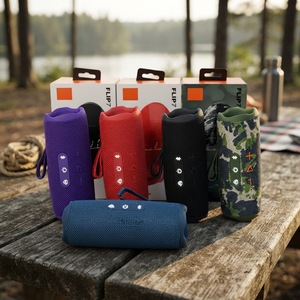
Portable Wireless Speaker RGB LED Lighting Metal & Plastic Waterproof Heavy Bass Outdoor Mini Speaker
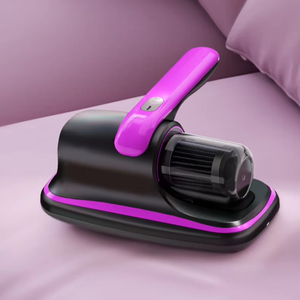
Portable Wireless Handheld Mattress Vacuum Cleaner with UV Light for Cleaning Beds Sofas Mattresses Dust Mites
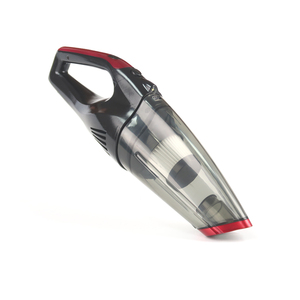
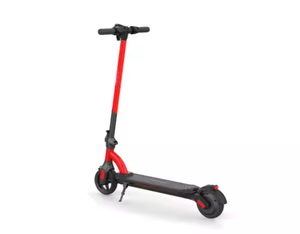
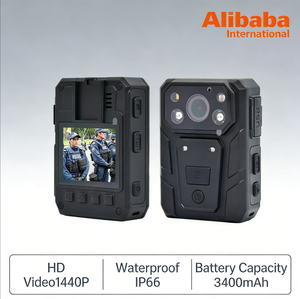
Pocket Body Worn Camera with 2K HD Recording Night Vision Wearable Camera for Security Patrol Inspection
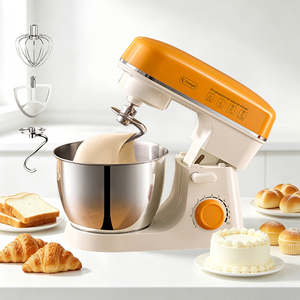
Electric Kitchen Dough Cake Mixer Household Multifunction Batidora Planetary Stand Food Mixer for Bakery
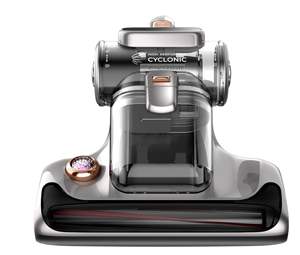
Mattress Vacuum Cleaner UV-C Light 15Kpa Suction 700W Double-Cup Handheld Bed Cleaner Smart Dust Sensor
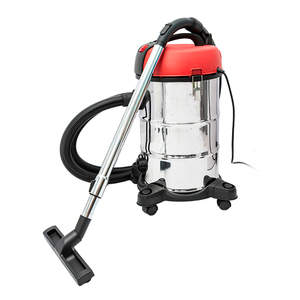
Wet & Dry & Blower 30L 1000W/1200W/1300W High Quality Industrial Stainless Steel Vacuum Cleaner
1. The Greater Boston Specialty Coffee Ecosystem & B2B Equipment Imperatives
The Greater Boston metropolitan area—spanning key commercial clusters from the Seaport District and Downtown Financial Center to Cambridge's Innovation District and Somerville—represents one of North America's most sophisticated specialty coffee consumer markets. Fueled by academic institutions, biotechnology hubs, and an burgeoning wave of third-wave roasteries, Boston's coffee ecosystem demands unparalleled extraction consistency, thermodynamic stability, and rigorous safety compliance in coffee grinding equipment.
For commercial roasters, high-volume cafe operators, corporate office coffee service (OCS) providers, and retail equipment distributors in New England, sourcing coffee grinders isn't merely an appliance purchase; it is a critical engineering decision. A grinder dictates particle size distribution (PSD), extraction yield, TDS (Total Dissolved Solids) targets, and overall cup profile clarity. Consequently, procurement officers in Boston are increasingly prioritizing CE certified coffee grinder suppliers and factories capable of delivering precision OEM/ODM manufacturing alongside comprehensive regulatory safety compliance.
Technical Information Gain: Why CE Certification Matters in the US Market. While UL/ETL electrical safety standard marks are standard in North America, CE certification (Conformité Européenne) guarantees strict compliance with European Machinery Directives (2006/42/EC), Electromagnetic Compatibility (EMC 2014/30/EU), and Food Contact Materials (EC 1935/2004). Boston-based importers sourcing CE-marked equipment receive machinery manufactured under far tighter mechanical tolerance, low-noise acoustic thresholds, and non-toxic materials compliance (RoHS & REACH).
When selecting coffee grinder factories for local distribution or private-label manufacturing, Boston enterprises require robust mechanical engineering that prevents thermal transfer to the bean chamber during peak service hours. Heat generated during continuous grinding oxidizes coffee aromatics, degrades volatile oils, and alters shot times. Sourcing from certified manufacturers ensures advanced heat-sink designs, brushless DC motor integration, and ultra-hard burr metallurgy designed for heavy commercial duty.
2. CE Certification Directives & Advanced Burr Metallurgy Standards
Navigating global supply chains requires an exhaustive understanding of regulatory requirements and metallurgical engineering. Sourcing CE certified coffee grinders guarantees that every component—from the high-torque induction motor to the micro-stepless adjustment collar—meets stringent European safety, food sanitation, and electrical performance standards.
Key CE Directives for Commercial & Premium Domestic Grinders:
Machinery Directive 2006/42/EC
Mandates mechanical safety features including finger-guard hoppers, thermal overload sensors, automatic anti-pinch shutoffs, and emergency stop circuitry for high-RPM commercial grinders.
EMC Directive 2014/30/EU
Ensures zero electromagnetic interference with surrounding commercial kitchen electronics, POS terminals, and digital scale systems across noisy commercial environments.
Food Contact (EC 1935/2004)
Verifies that all internal grind chambers, chute liners, and burr coatings are completely free of heavy metals, toxic polymers, and bisfenol compounds (BPA-free & Lead-free).
Burr Geometry & Material Engineering Performance Analysis
The core engine of any technical coffee grinder is its burr set. Certified factories employ precision CNC 5-axis milling and vacuum heat treatment to achieve Rockwell Hardness (HRC) ratings exceeding 64-68 HRC. Depending on the intended brewing application (Espresso, Pour-over, Cold Brew, or Turkish), Boston suppliers offer several distinct material options:
- Flat Titanium Nitride (TiN) Coated Burrs: Designed for high-volume espresso environments in Boston cafes. TiN coating reduces surface friction, resists wear up to 4,000 kg of coffee throughput, and minimizes heat transfer.
- DLC (Diamond-Like Carbon) Steel Burrs: Offers an exceptionally low friction coefficient (0.1) and extreme surface hardness (HRC > 80), virtually eliminating particle static cling and burr wear over multi-year commercial lifespans.
- High-Nitrogen Stainless Steel Conical Burrs: Ideal for single-dosing and low-RPM hand-held or countertop units, yielding unimodal particle distribution curves perfect for light-roast filter extractions.
3. Technical Comparison Matrix: OEM Coffee Grinder Specifications
Below is a comparative breakdown of key manufacturing specs for commercial and high-end residential grinder platforms available for OEM/ODM contract manufacturing and direct Boston delivery:
| Model Category | Burr Configuration | Motor Type / RPM | Throughput Rate | Retention Rate | CE Certification |
|---|---|---|---|---|---|
| Pro-Barista Commercial Espresso | 75mm Flat TiN Coated Steel | Brushless DC / 1400 RPM | 4.5 g / sec | < 0.1g (Zero Static) | CE Certified |
| Single-Dose Specialty Studio | 64mm DLC Flat Burrs | Variable Speed / 600-1800 RPM | 2.8 g / sec | < 0.05g (Plasma Generator) | CE Certified |
| Commercial Grocery & Batch Roaster | 98mm Cast Steel Flat Burrs | AC Heavy Duty / 1450 RPM | 12.0 g / sec | < 0.5g (Chute Knocker) | CE Certified |
| Office & OCS Automated Grinder | 48mm Conical Hardened Steel | DC Planetary Gear / 450 RPM | 1.8 g / sec | < 0.2g | CE Certified |
| Compact Wireless Rechargeable | 38mm Ceramic / Steel Conical | Lithium DC / 250 RPM | 0.8 g / sec | < 0.1g | CE Certified |
4. Localized Application Scenarios Across Greater Boston
Coffee grinding technology must adapt to the unique operational environments found throughout the New England business landscape. Here is how specialized CE certified coffee grinders are integrated into local sectors:
High-Volume Espresso Bars (Seaport & Back Bay)
Boston's financial and tourist districts experience high morning rushes. Dual-fan active cooling systems prevent thermal buildup, maintaining consistent portafilter dosing weight within ±0.1g.
Biotech & University Campuses (Cambridge & Allston)
Corporate breakrooms in Kendall Square demand ultra-quiet operations (<62dB) and intuitive micro-touch screen interfaces for seamless automatic dosing in communal office environments.
Specialty Micro-Roasteries (Somerville & Jamaica Plain)
Craft roasters require single-dosing flexibility with variable RPM control to tailor extraction profiles for ultra-light Ethiopian heirloom roasts vs rich South American espresso blends.
5. Factory Manufacturing Standards & Corporate OEM/ODM Capabilities
Building on decades of precision consumer electronics and appliance manufacturing expertise—as showcased across our global product lines—our manufacturing facilities deploy industry 4.0 automation to deliver uncompromised quality to OEM and ODM clients worldwide.
When Boston brands partner with our factories, they benefit from an end-to-end production architecture optimized for reliability, safety, and scalable wholesale distribution:
- Automated CNC Burr Alignment: Burr carrier plates are precision-machined to within 5-micron tolerance, eliminating burr rub and ensuring consistent particle size distribution across all grind settings.
- Integrated Ionizing Plasma Generators: Built-in anti-static plasma emitters neutralize triboelectric charges created during bean shattering, delivering completely retention-free dosage directly into the portafilter or catch-cup.
- Thermal Isolation Chambers: Specialized elastomeric dampers decouple the motor housing from the grinding chamber, ensuring heat from long motor runs does not warm bean hoppers or delicate roasted coffee oils.
- 100% Quality Control Protocol: Every production unit undergoes laser diffraction particle analysis, high-voltage insulation tests, acoustic decibel measurement, and continuous 24-hour endurance burn-in before export packaging.
6. Boston B2B Procurement FAQ (Frequently Asked Questions)
Key compliance, logistics, and technical queries answered for New England coffee equipment buyers and distributors:
Partner with Certified Coffee Grinder Manufacturing Leaders
Elevate your commercial equipment offerings or private-label appliance line in Boston and Greater New England. Speak with our technical engineering sales team today.
Get a Quote