Featured Industrial & Consumer Scooter Solutions
Direct factory supply featuring high-tensile alloy frames, lithium battery protection systems, and modular assembly for global distributors.
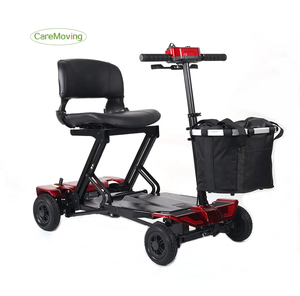
Elderly Four Wheels Electric Handicapped Scooters Travel 4 Wheel Mobility Power Scooter Electric Folding
Get Catalog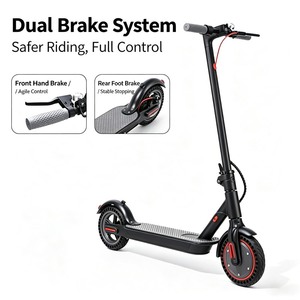
Shock Absorbing Adult Foldable Electric Scooter 36V Battery 150KG Loading Compact Fold Design 25-35km Range
Get Catalog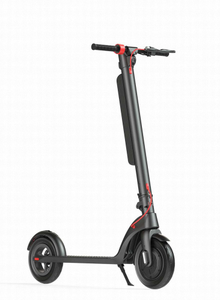
X8A Folding Electric Scooter 10" Tire 300W Motor 10Ah Li-ion Battery 45km Range 32km/h Max Speed 15 Climbing Aluminum Frame
Get Catalog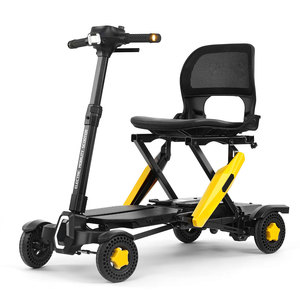
2024 Hot Sales Fully Automatic Folding Portable Scooter Remote Control Outdoor Travel 4 Wheels Mobility Scooter For Adults
Get Catalog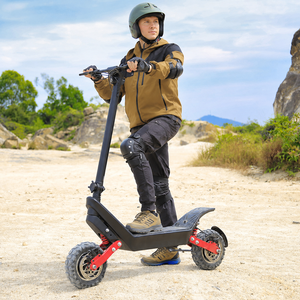
Foldable All-Terrain Off-Road Electric Scooter Adult 2000W Dual Motor 11" E-Scooter W/Removable Battery Folding Mobility Vehicle
Get Catalog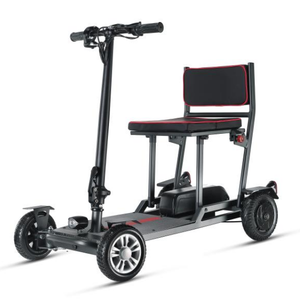
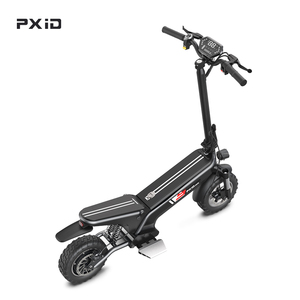
2026 New Model Folding Electric Mobility Scooter All Terrain for Teenagers 10 Inch Wheels With Seat Disc Brake
Get Catalog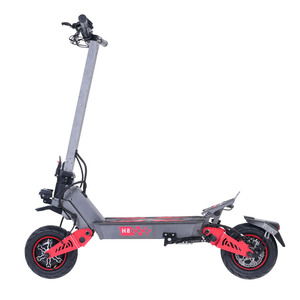
Long Range Folding Electric Scooter 3000W 60V Lithium Battery 60km Range 70kmh Speed Waterproof for Wholesale Supply
Get CatalogExecutive Sourcing Summary: Navigating Micro-Mobility Manufacturing (2025–2030)
The global micro-mobility market is experiencing an unprecedented structural pivot. As global metropolitan zones enforce zero-emission transport initiatives and last-mile connectivity demands multiply, commercial buyers, regional brands, and fleet operations operators require tier-1 manufacturing partners capable of delivering verified structural safety, low lifecycle maintenance costs, and full regulatory compliance across North America, Europe, and Asia-Pacific markets.
Selecting reliable folding electric scooter manufacturers and suppliers requires rigorous evaluation beyond superficial aesthetics or basic speed metrics. Enterprise buyers must assess metallurgical integrity, Battery Management System (BMS) safety topologies, motor thermal management under continuous load, and automated factory QA workflows. This technical guide outlines the fundamental parameters governing OEM/ODM procurement, mitigating supply chain vulnerabilities, and ensuring high customer satisfaction.
Structural Engineering & Frame Metallurgy Standards
The structural backbone of any industrial-grade folding scooter directly dictates user safety, maximum weight capacity (spanning standard 100kg limits to heavy-duty 150kg+ thresholds), and long-term chassis durability. Manufacturers utilize three primary chassis material classifications:
6061-T6 Aircraft Aviation Aluminum
The gold standard for commercial folding scooters. T6 solution heat treatment yields a ultimate tensile strength of at least 290 MPa and yield strength of 240 MPa. High strength-to-weight ratio ensures lightweight portability with superior fatigue resistance.
Magnesium Alloy Die-Casting
Delivers a 33% weight reduction over aluminum alloys alongside high vibration damping absorption. Ideal for ultra-portable commuter models, though requiring proprietary anti-corrosion micro-arc oxidation (MAO) surface treatments.
High-Tensile Carbon Steel & Chromoly
Utilized primarily in specialized all-terrain dual-motor scooters (e.g., 2000W–3000W class) and heavy-duty 4-wheel senior mobility platforms where frame rigidity under extreme torsional stress outweighs ultra-lightweight demands.
Folding Mechanism Mechanical Safety Matrix
The folding joint represents the primary mechanical stress point on a collapsible scooter. Inferior latch mechanisms suffer from stem wobble, latch shearing, or catastrophic structural failure during emergency braking maneuvers. OEM tier-1 suppliers implement multi-stage safety locks:
- Double-Lock Safety Pins: Primary lever engagement backed by a secondary spring-loaded safety sleeve preventing accidental unlatching while in motion.
- Automated Remote/Power Folding: Integrated micro-actuators allowing 1-touch folding via RF remote control or dashboard buttons, specifically beneficial for adult mobility scooters and senior accessibility vehicles.
- Zero-Play Tapered Hinge Joints: Self-adjusting wedge mechanisms that absorb material wear over time, eliminating stem play across 50,000+ operational collapse cycles.
Powertrain Architecture: Motor Vectoring & BMS Safety Systems
Electric scooter performance is governed by the synergy between Brushless DC (BLDC) Hub Motors, Field-Oriented Control (FOC) Sine Wave Controllers, and high-energy-density Lithium-Ion battery modules.
| Scooter Class | Motor Configuration | Battery Chemistry & Voltage | Optimal Gradeability | Target Sourcing Application |
|---|---|---|---|---|
| Urban Last-Mile Commuter | 300W - 500W Single Rear BLDC Hub | 36V / 48V 10Ah (18650 NMC Cells) | 15% - 18% Slope | Subway commuters, city sharing fleets, retail distribution |
| Senior / Accessibility Mobility | 250W - 800W Transaxle / 4-Wheel Dual Drive | 24V / 36V 12Ah - 20Ah Li-ion / Lead-Acid | 12% - 15% Slope | Medical equipment supply, elder travel, disability transport |
| All-Terrain Dual-Motor Monster | 2000W - 3000W Dual Front/Rear BLDC Hub | 60V / 72V 20Ah - 35Ah (21700 High-Drain) | 35% - 45% Slope | Off-road sport, rental tours, high-performance retail |
Battery Management System (BMS) Hardware Safeguards
Lithium-ion battery safety is non-negotiable for enterprise distributors facing strict import regulations and insurance mandates. Professional manufacturers build multi-layered hardware protection into every battery pack:
1. Thermal Runaway Mitigation: Cell spacing matrixes equipped with flame-retardant silicone insulation pads and aluminum heat sink plates ensure heat dissipation during high-discharge 3C-5C continuous output.
2. Smart CAN-bus Telematics: Advanced BMS boards communicate real-time cell voltage, temperature coefficient, state of charge (SOC), and cycle count data directly to the scooter display and diagnostic software.
3. Waterproofing & Ingress Protection: Enclosing battery modules within IPX7-certified aluminum extrusion casings filled with thermal sealant prevents water ingress during heavy precipitation or puddle submersion.
Regulatory Compliance & Global Procurement Roadmap (2025–2030)
Navigating cross-border trade demands total clarity on regional certification requirements. Importers must verify that their factory manufacturing partners maintain valid test reports from accredited bodies (TÜV, SGS, Intertek):
North American Compliance
UL 2272: Standard for Electrical Systems for Personal E-Mobility Devices. Mandates comprehensive electrical, battery, charger, and environmental safety testing.
FCC Part 15B: Electromagnetic compatibility certification for onboard digital controllers and wireless modules.
European Union Mandates
EN 17128:2021: Specific standard for light motorized vehicles and mobility devices. Enforces speed limit controls (20-25 km/h), dual independent braking systems, and mandatory reflector/lighting visibility.
CE / RoHS / WEEE: Environmental material safety and end-of-life battery recycling framework compliance.
Global Logistics & Transport
UN 38.3: Mandatory lithium battery transport testing guaranteeing cell stability under altitude, thermal, vibration, shock, external short-circuit, and impact pressures.
MSDS & Sea Transport Certification: Essential documentation for smooth ocean freight customs clearance.
Frequently Asked Questions for Commercial Buyers & Importers
Key technical, commercial, and operational queries addressed by our manufacturing team:
Request Complete OEM/ODM Factory Specifications & Pricing
Download our latest 2025–2026 Micro-Mobility Commercial Catalog, inspect complete technical datasheets, and consult with our senior engineering team today.