Featured Commercial & Retail Equipment Portfolio
Direct Factory Sourcing Solutions Aligned with European & North American Quality Benchmarks
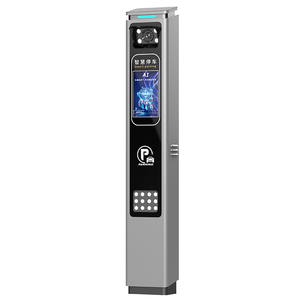
License Plate Recognition Camera ANPR LPR with 99.7% Accuracy IP54 Protection Multi-Access Control for Parking Barrier Gate
Inquire Commercial Specs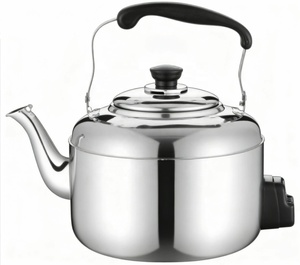
Stainless Steel Electric Kettle Modern Classic Anti-Scald Handle Safe Stovetop Household Water Boiler Kitchen 1440W Lightweight
Inquire Commercial Specs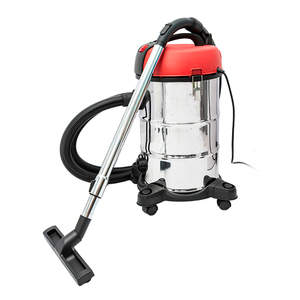
Wet & Dry & Blower 30L 1000w/1200W/1300W High Quality Industrial Household Stainless Steel Wet and Dry Vacuum Cleaner for Car
Inquire Commercial Specs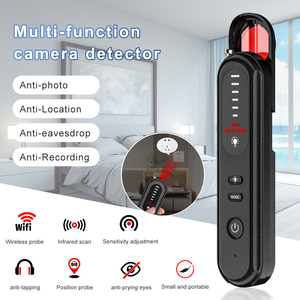
T01 Smart Security Camera Finder Infrared RF Signal Detector Privacy Protection Wireless Scanner For Hotel Travel Safety
Inquire Commercial Specs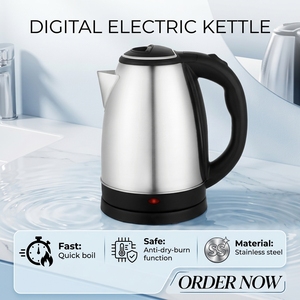
Stainless Steel Cordless Electric Kettle with Automatic Shut-off 220V for Home Kitchen Use
Inquire Commercial Specs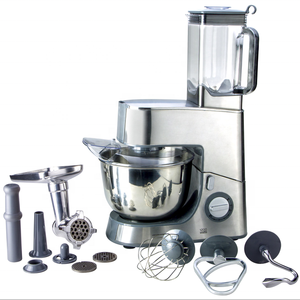
High Quality Commercial Multifunction Kitchen Electric Stand Mixer
Inquire Commercial Specs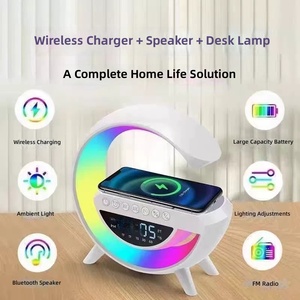
3401Mini G63 Multi Function Bluetooth Speaker,Wireless Charger Alarm Clock RGB Night Light Portable Home Desktop
Inquire Commercial Specs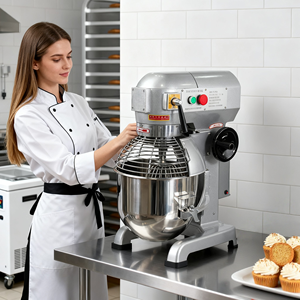
Impastatrice Per Torte Planetaria 10l Batidora De Stand Professional Planetary Mixer 10 Litre Litri Litros Price Machine
Inquire Commercial SpecsExecutive Summary: The Structural Evolution of Hair Styler OEM/ODM Manufacturing
The global personal care and electrical hair styling industry is undergoing a paradigm shift. Standard thermal conduction appliances—historically reliant on high-wattage resistive heating wires and low-cost AC motors—are rapidly being phased out by institutional procurement channels. Modern consumers, backed by dermatological research emphasizing scalp microbiome preservation and hair shaft structural integrity, demand advanced airflow-driven styling systems.
China's hair styler manufacturing ecosystem, concentrated heavily across the Pearl River Delta (Guangdong) and Yangtze River Delta (Zhejiang/Ningbo) industrial clusters, has evolved from low-cost Contract Assembly to Tier-1 Original Design Manufacturing (ODM). Enterprise buyers, retail chains, and digital-first brands seeking a Top China Hair Styler Manufacturer must look beyond basic FOB unit cost. Sourcing success requires an audited understanding of high-speed Brushless DC (BLDC) motor engineering, real-time Microcontroller Unit (MCU) thermal monitoring, aerodynamic Coanda-effect fluid dynamic modeling, and rigorous multi-market regulatory compliance.
Information Gain Key Takeaway for Procurement Officers: Sourcing low-RPM traditional hair dryers leads to elevated return rates due to thermal damage complaints. Enterprise buyers should pivot sourcing benchmarks to ≥100,000 RPM BLDC platform architecture equipped with closed-loop Negative Temperature Coefficient (NTC) sensor arrays operating at 100 to 200 checks per second.
Core Engineering Paradigms of Next-Generation Hair Stylers
To evaluate a manufacturing partner's true R&D depth, global buyers must audit four underlying engineering vectors that define luxury-tier performance in hair styling devices:
High-Speed BLDC Motor Integration
Transitioning from 20,000 RPM traditional brushed motors to 110,000–130,000 RPM three-phase BLDC motors. This produces high-velocity jet airflow (>22 m/s), reducing drying times by 65% while operating below 68 dB noise thresholds via dynamic acoustic balancing.
Closed-Loop NTC Thermal Control
Preventing heat-induced keratin denaturation requires intelligent firmware. Microprocessors sample ambient output air temp up to 200 times per second, dynamically adjusting power to the heating element to lock temperatures at safe thresholds (e.g., 55°C, 75°C, or 95°C).
High-Density Plasma & Negative Ion Emitters
Integrated corona discharge modules release over 200 million negative ions/cm³ during operation. This neutralizes static electrical charges on the hair cuticle, sealing moisture, smoothing flyaways, and improving long-term gloss retention.
Technical Benchmarks: Comparing Factory Tiers in China
When selecting a manufacturing partner for private label or OEM/ODM projects, enterprise procurement teams must categorize Chinese suppliers into distinct operational tiers. The comparative matrix below outlines performance parameters observed across audited factories:
| Evaluation Parameter | Tier-1 Automated ODM Factories | Tier-2 Standard OEM Factories | Low-Cost Assembly Shops |
|---|---|---|---|
| Motor Technology | Vector 110k–130k RPM BLDC | Standard 50k–70k RPM BLDC / DC | Low-grade Brushed AC/DC Motor |
| Temperature Variance | ± 1.0°C (Closed-loop NTC) | ± 5.0°C (Basic Thermostat) | > ± 15.0°C (Unregulated Heat) |
| Acoustic Emission | ≤ 59–68 dB (Acoustic Foam Tuning) | 75–82 dB | > 85 dB (High Vibration) |
| Motor Lifespan (MTBF) | > 1,000 Operational Hours | approx. 300–500 Hours | < 150 Hours |
| Defect Rate (FQA) | < 0.15% (Automated Testing) | 0.5% – 1.2% | > 3.0% |
| Certifications | CE, RoHS, REACH, UL, ETL, CB, PSE | CE, RoHS (Basic compliance) | Incomplete / Regional Only |
Procurement & Manufacturing Trends (2025–2030 Roadmap)
To ensure long-term catalog relevance and high ROI on mold tooling investments, brand managers must align product roadmaps with upcoming industry micro-trends:
1. Modular Coanda Air-Style Attachments
The market has moved decisively toward multi-functional styling systems. Single-purpose hair dryers are being replaced by modular handles featuring quick-release 360-degree magnetic locking mechanisms. These attachments harness the Coanda effect—the physical phenomenon where high-velocity air naturally adheres to adjacent curved surfaces—allowing users to auto-wrap hair for curling, volumizing, or smoothing without extreme heat damage.
2. Smart App Ecosystems & Sensor Feedback
Next-generation luxury stylers are incorporating low-power Bluetooth (BLE) microchips that sync with smartphone apps. Users can set custom thermal profiles tailored to their specific hair thickness, color-treatment history, and moisture level. Advanced diagnostic firmware also alerts users when intake air filters require cleaning, preventing motor over-temperature burnouts and extending warranty life cycles.
3. Sustainable Material Sourcing & Post-Consumer Recycled (PCR) Plastics
With Western retail channels facing stringent Environmental, Social, and Governance (ESG) reporting mandates, top Chinese manufacturers are integrating 30% to 70% PCR ABS resin into non-structural body housings. Furthermore, zero-waste plastic-free packaging constructed from molded sugarcane pulp is becoming a baseline requirement for EU distribution.
Sourcing & Risk Mitigation FAQ for Professional Buyers
What is the typical tooling lead time and MOQ for custom ODM hair styler molds?
For custom industrial design (ID) and tooling engineering, initial 3D mockups take 5–7 business days. Precision steel mold fabrication (injection molds for main body housing, magnetic attachments, and internal chassis) generally requires 35 to 45 days. Minimum Order Quantities (MOQs) for fully customized colorways, customized PCBA firmware, and bespoke packaging typically start at 1,000 to 3,000 units per production run.
How do leading Chinese manufacturers handle electrical safety & regulatory compliance across global markets?
Tier-1 manufacturers operate internal testing laboratories equipped with thermal breakdown chambers, EMI/EMC compliance chambers, drop-test platforms, and cord-flex strain relief testers. Production lines comply with international safety directives, including CE (LVD/EMC), RoHS, REACH, WEEE for Europe; UL 859 and CSA C22.2 for North America; PSE for Japan; and CB scheme certifications covering over 50 member countries.
What quality control (QC) protocols should be mandated in the OEM supply contract?
Contracts should explicitly mandate AQL 1.0 (Acceptable Quality Limit) for Critical Defects, AQL 1.5 for Major Defects, and AQL 2.5 for Minor Defects based on ISO 2859-1 sampling procedures. Essential inline tests include: 100% High-Voltage Dielectric Withstand (Hi-Pot) testing, 100% ground continuity testing, 100% low-voltage start-up verification, dynamic balance inspection of impeller blades, and a minimum 15-minute burn-in thermal test for all assembled motor units.
How can brands protect their Intellectual Property (IP) when manufacturing in China?
IP protection requires a three-tiered risk management approach: First, execute a legally enforceable, Chinese-language NNN (Non-disclosure, Non-use, Non-circumvention) agreement governed by Chinese courts prior to sharing CAD files. Second, register design patents and brand trademarks directly with the China National Intellectual Property Administration (CNIPA). Third, split component production (e.g., sourcing proprietary PCBA firmware separately from plastic housing tooling) before final assembly.
What post-sales supply chain support should brands demand from their manufacturing partner?
Enterprise buyers should request a standard 1% to 2% FOC (Free of Charge) spare parts allowance with every mass order (covering items like replacement magnetic nozzles, filter meshes, and power cords). Additionally, ensure the factory maintains a 24-month warranty framework with structured Return Merchandise Authorization (RMA) procedures to mitigate localized warranty processing costs.
Why Partner with Us: Our Manufacturing Strengths & Capabilities
Leveraging decades of consumer electronics engineering and small appliance manufacturing expertise, our supply chain integration model delivers unprecedented structural advantages to global retail networks, corporate buyers, and digital brand aggregators:
Comprehensive EU & Global Compliance
Every appliance is developed from the ground up to comply with CE marking, RoHS restriction of hazardous substances, REACH chemical safety regulations, and WEEE take-back directives. We simplify market access across the EU, UK, and Americas.
Turnkey OEM/ODM Product Customization
From custom industrial tooling, ergonomic surface finishes (soft-touch matte, metallic plating, anodized aluminum), to customized digital LED screens and localized packaging, we bring complex brand concepts into mass production.
Multilingual Fulfillment & After-Sales Infrastructure
We provide retail-ready multilingual packaging, detailed operational user guides, digital marketing assets, and a centralized after-sales support system. This dramatically lowers store return rates and protects partner seller ratings.