Featured Commercial Appliances & OEM Sourcing Catalogue
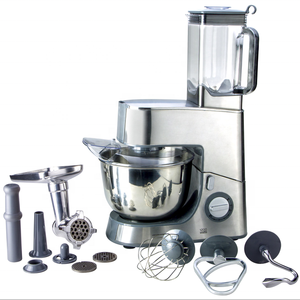
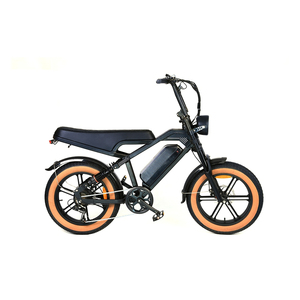
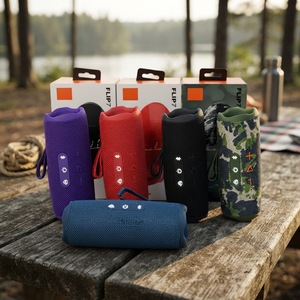
Explore our high-demand OEM/ODM product portfolio engineered for European and North American retail distribution, commercial kitchens, and lifestyle electronics programs.
Industry Sourcing Executive Brief: The Evolution of Temperature-Controlled Drinkware
The global market for smart thermal drinkware and self-heating travel mugs has reached a critical inflection point. Driven by advancements in micro-thermal management, precision microcontrollers, and high-density lithium-ion cell safety, heated mugs have transitioned from niche corporate luxury gifts into core year-round consumer electronics stock-keeping units (SKUs) across premier retail chains in North America, Western Europe, and East Asia. For procurement officers, B2B importers, and private-label distributors, identifying a premier heated mug factory and exporter requires analyzing beyond surface-level aesthetics—demanding rigorous technical evaluation of internal heating elements, printed circuit board assembly (PCBA) thermal dissipation, food-grade metallurgy, and compliance certifications.
Information Gain Insight: Modern smart heated mugs utilize dual-zone PTC ceramic heating technology paired with NTC thermistor feedback loops. Unlike legacy heating plates that suffer from localized hot spots, tier-1 OEM manufacturers integrate micro-planar thick-film heaters beneath food-grade SUS316L stainless steel liners, maintaining exact liquid temperatures (+/- 0.5°C) without scalding beverage enzymes or degrading taste profile.
Search Intent & Market Intelligence Matrix
Analyzing global search data and commercial intent for keywords surrounding "Heated Mug Factory & Exporter" reveals four distinct intent personas driving bulk procurement contracts:
Retail Chain Buyers
Seeking turnkey OEM/ODM solutions with retail-ready multilingual packaging, CE/RoHS/FDA compliance, and stable Q3/Q4 replenishment windows for holiday gifting surges.
Corporate Promotional Distributors
Focusing on custom logo laser engraving, Pantone color matching, low tooling costs for bespoke gift boxes, and high perceived brand value for corporate reward programs.
Direct-to-Consumer Brands
Prioritizing smart IoT features—Bluetooth 5.3 app connectivity, OLED capacitive touch displays, custom temperature presets, and Qi wireless charging pad versatility.
Top 10 Heated Mug Manufacturer Qualification Benchmarks
When shortlisting high-volume factories, professional supply chain managers utilize standardized engineering criteria to distinguish tier-1 original equipment manufacturers from assembly trading companies. Below is the technical specification benchmark required for tier-1 export approval:
| Evaluation Vector | Tier-1 Factory Standard (Recommended) | Standard Market Average | Quality Risk Factor |
|---|---|---|---|
| Inner Liner Metallurgy | SUS316L Medical-Grade Stainless Steel + Ceramic Coating | Standard SUS304 Stainless Steel | Acidic beverage corrosion, metallic aftertaste |
| Thermal Control Circuit | Dual NTC Sensors + PID Logic Chip (+/- 0.5°C) | Single Thermostat On/Off Switch | Liquid overheating, battery thermal runaway |
| Battery Safety Architecture | UN38.3 & IEC62133 Dual-BMS Protection Board | Basic Overcharge Protection PCB | Short-circuit during rapid charging cycle |
| Waterproof Rating | IPX7 Full Washable (Submersible up to 1 meter) | IPX4 Splash Proof Only | Internal circuit failure from sink washing |
| Charging Ecosystem | Dual USB-C PD Fast Charge + 15W Qi Wireless Coils | Proprietary DC Barrel Connector | Low user convenience, custom cable replacement costs |
Product Development & Technological Trends (2025–2030)
As the smart drinkware industry matures, consumer expectations are shifting from basic heating to intelligent lifestyle ecosystem integration. Premier exporters are investing heavily in five core R&D domains:
1. Advanced Micro-Planar Thick Film Heating Element
Traditional wire-wound heating elements are rapidly being phased out in favor of high-efficiency thick-film heating technology screen-printed directly onto insulating ceramic or stainless steel substrates. This innovation yields a 98% thermal transfer efficiency, reducing battery consumption while accelerating cold-to-hot heating times by up to 40% compared to previous generations.
2. Solid-State Battery & Ultra-Safe Cell Integration
With airlines and international logistics carriers tightening restrictions on lithium-ion shipments under IATA Dangerous Goods Regulations, tier-1 factories are transitioning to high-energy-density LiFePO4 (Lithium Iron Phosphate) cells and semi-solid-state lithium chemistry. These cells withstand over 2,000 charge cycles, operate stably between -20°C and 65°C, and pass thermal-puncture tests without off-gassing or flaming.
3. Low-Power Bluetooth 5.3 & Smart Matter Protocol
Next-generation smart travel mugs feature ultra-low-power BLE 5.3 chips paired with standard IoT protocols such as Matter. Users can monitor liquid consumption, set automated heating schedules based on morning alarm clocks, and receive hydration reminders integrated seamlessly into Apple Health and Google Fit ecosystems.
4. Ergonomic Food-Grade Spraying & Antimicrobial Ceramic Coatings
To eliminate metallic odor transfer when storing specialty coffees, acidic matcha, or botanical teas, leading exporters apply inner plasma-sprayed ceramic coatings. These non-porous layers prevent coffee oil absorption, simplify cleaning, and withstand high-temperature commercial dishwasher cycles without flaking or scratching.
Future Sourcing & Supply Chain Strategies for Global Wholesalers
Navigating global trade dynamics, raw material price fluctuations, and evolving carbon tariff policies requires importers to re-engineer their procurement strategies. Key trends dominating 2025–2030 B2B contracts include:
Modular Product Architecture
Global brands favor modular mug bodies and swappable battery bases, enabling lower SKUs, simplified battery replacement, and regional customization without re-tooling entire molds.
ESG & Carbon Neutral Sourcing
Tier-1 factories now publish verified Product Carbon Footprint (PCF) reports, utilizing recycled stainless steel (PCR 80%) and eco-friendly FSC-certified zero-plastic kraft packaging.
Nearshore & Buffer Warehousing
To mitigate shipping delays, leading exporters establish regional spare parts hubs in Europe and North America to fulfill warranty exchanges and supply chain buffer stocks.
Manufacturer Capabilities & Quality Control Systems
Our manufacturing infrastructure is purpose-built to deliver precision, reliability, and scale for international B2B partners. By maintaining complete vertically integrated production—from tooling design and injection molding to SMT circuit board assembly and automated laser welding—we ensure rigorous quality control at every phase of assembly.
Quality Assurance & Testing Protocols
Every single unit exiting our assembly line undergoes a 100-step quality verification process, including:
- Micro-Leak Helium Mass Spectrometry: Verifying vacuum insulation integrity to guarantee zero heat dissipation loss.
- 100% IPX7 Submersion Pressure Test: Testing mug bases under 1 meter of water pressure for 30 minutes to ensure total seal integrity.
- Thermal Cycling Aging Test: Subjecting battery packs and PCBA boards to 500 continuous rapid heating and cooling cycles.
- Food Contact Migration Analysis: Lab testing every batch under LFGB (Germany) and FDA (USA) guidelines for heavy metal and chemical leachables.
Frequently Asked Questions for Global B2B Sourcing
Find authoritative answers to critical procurement, manufacturing, regulatory, and logistics queries raised by corporate purchasing teams.
What is your typical Minimum Order Quantity (MOQ) for custom OEM heated mugs?
Which international safety and food-contact certifications do your products hold?
Can you provide full ODM engineering services for proprietary mold development?
How do you manage battery shipping regulations and safety compliance?
What is the factory lead time for mass production and sample evaluation?
What warranty terms and after-sales RMA support do you offer to distributors?
Partner with a World-Class Heated Mug Manufacturer
Accelerate your product portfolio with precision thermal technology, factory-direct OEM pricing, and uncompromised quality assurance.
Send an Inquiry