Featured Smart Tripods & Lifestyle Tech Portfolio
High-demand electronic products engineered for global retail networks, e-commerce distributors, and brand partners worldwide.

White Noise Bluetooth Speaker With Wireless Charger and Alarm Clock Smart Speakers

High Quality Enamel Smart Ring 5ATM Waterproof Sleep Monitor Heart Rate Sport Fitness Tracker with App Control Smart Health Ring
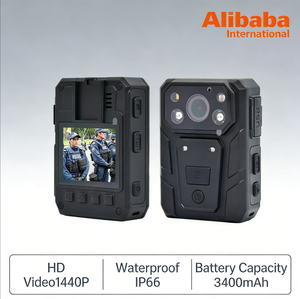
Pocket Body Worn Camera with 2K HD Recording Night Vision Wearable Camera for Security Patrol Inspection Law Recorder

Bulk Buy Industrial Wet And Dry Dust Collector Bagless Industrial Cleaner Vacuum For Carpentry Dust Extractor For Woodworking
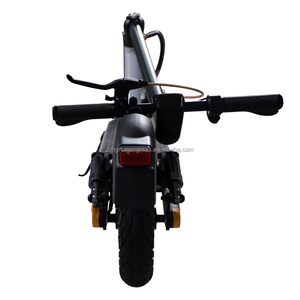
Electric Scooter ABE High Efficiency Commuter Platform
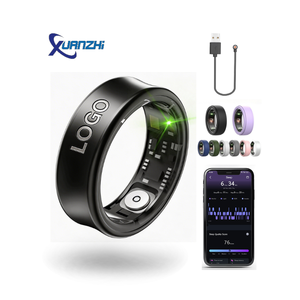
SHR OEM K3 AI Analysis Smart Ring App Control Sleep Tracker IP67 Waterproof Body Recovery Tracking Stress Level Management
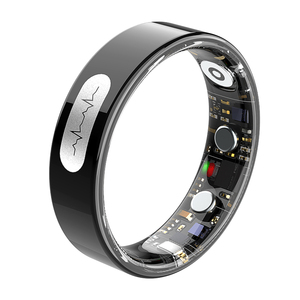
2026 IP68 Smart Ring with Gesture Control, ECG, Heart Rate, Blood Oxygen, Sleep Monitor & Fitness Tracker

Portable Wireless Handheld Mattress Vacuum Cleaner with UV Light for Cleaning Beds Sofas Mattresses Dust Mites
Navigating the Global OEM/ODM Landscape for Smart Tripods
As short-video content creation, live e-commerce broadcasting, and computational photography reach unprecedented global market penetration, the demand for precision camera support gear has evolved. Smart tripods have transitioned from passive structural mounts into intelligent robotic stabilizers equipped with edge-AI facial tracking, multi-axis brushless gimbals, and automated gesture recognition systems.
The Paradigm Shift in B2B Smart Tripod Procurement
In today's competitive electronics ecosystem, international procurement officers, retail brand owners, and cross-border distributors face a critical challenge: selecting contract manufacturers capable of delivering high-tier mechanical execution alongside sophisticated embedded firmware. Modern OEM/ODM smart tripod manufacturing is no longer restricted to aluminum tube extrusion and plastic injection molding; it encompasses multi-sensor fusion, Neural Processing Unit (NPU) algorithm integration, field-oriented motor control (FOC), and low-power wireless communication protocols.
This whitepaper provides procurement directors, supply chain managers, and hardware engineers with an exhaustive technical framework for evaluating OEM/ODM smart tripod manufacturers. By analyzing core manufacturing competencies, product development trajectories, compliance landscapes, and strategic sourcing models, enterprise buyers can de-risk their New Product Introduction (NPI) pipeline and optimize Total Cost of Ownership (TCO).
Product Development Trends in Smart Tripod Systems
Discover how advancements in edge computing, motor control algorithms, and aerospace materials are reshaping the product roadmap for next-generation stabilization gear.
Edge-AI Vision & NPU Tracking Integration
Traditional motorized tracking relied on smartphone app compute, causing latency and system crashes. Modern ODM tripods embed standalone visual NPUs directly onto the PCBA. Featuring native 360-degree infinite pan tracking, optical human-body posture estimation, and real-time gesture control (Start/Pause/Lock), these systems operate app-independently with sub-15ms response latency.
Silent Brushless Motor Drive & FOC Control
Moving away from noisy stepper motors, next-generation smart tripod factories incorporate ultra-quiet brushless motors with Field-Oriented Control (FOC) magnetic encoders. This ensures whisper-quiet operational acoustics (<25dB) necessary for high-fidelity audio recording, ultra-smooth acceleration curves, and reduced mechanical friction for extended battery operating life.
Hybrid Power Management & Quick-Charge Architecture
Enterprise smart tripods now double as content creation power hubs. Advanced battery management systems (BMS) integrate dual 18650/21700 lithium-ion arrays supporting USB-C Power Delivery (PD 3.0), allowing simultaneous fast-charging of mounted mobile devices, external LED video lights, and wireless lavalier microphone receivers during extended streaming sessions.
Aerospace Carbon Fiber & Magnesium Alloys
Weight reduction remains a top buyer demand. Leading OEM factories utilize 8-layer diamond-cross weave carbon fiber tubes combined with CNC-machined aviation-grade magnesium-aluminum alloy joint nodes. This architectural layout enhances structural rigidity by 40% while reducing total unit weight below 1.2kg for high-payload setups.
Modular Quick-Release Ecosystems
Standardization across mounting interfaces (Arca-Swiss compatibility, 1/4"-20 cold-shoe expansion nodes, and magnetic quick-attachment clamps) enables creators to rapidly switch between smartphones, action cameras, mirrorless bodies, and fill light arrays without balancing recalibration.
IoT Protocol Integration & SDK Openness
B2B retail buyers increasingly specify tripods equipped with Bluetooth Low Energy (BLE 5.4) and Wi-Fi Direct modules, backed by customized SDKs. This allows enterprise clients to integrate third-party mobile apps, proprietary camera control software, and social commerce platforms directly into the hardware control scheme.
Future Procurement & Supply Chain Trends (2026–2030)
Key supply chain strategies, risk mitigation tactics, and regulatory requirements shaping global hardware purchasing over the next decade.
1. Platform-Based Modular ODM Architecture
Global brands are shifting away from bespoke, ground-up hardware developments due to extended engineering lead times and high initial non-recurring engineering (NRE) fees. Modern ODM factories now offer pre-certified "master platform" chassis. Buyers can select standardized base mechanics and focus customized budgets on bespoke industrial design (ID), CMF (Color, Material, Finish) surface treatments, software UI branding, and custom packaging. This platform-based methodology reduces New Product Introduction (NPI) lead times from 12 months down to under 90 days.
2. Stringent ESG & European Regulatory Compliance
Procurement practices across North America and the European Union increasingly require full lifecycle compliance. Leading OEM factories are mandating green supply chains, incorporating recycled post-consumer plastics (PCR) for enclosure components, lead-free SMT soldering lines, and plastic-free unbleached packaging structures. Compliance with CE, RoHS, WEEE, REACH, and battery safety standards (UN38.3, MSDS) is no longer optional—it is a baseline prerequisite for retail distribution clearance.
3. Multi-Regional Production Resilience & Quality Traceability
To guard against geopolitical supply disruptions and shipping bottlenecks, top-tier tripod manufacturers operate dual-node manufacturing models (e.g., primary R&D and component casting hubs linked with assembly facilities in Southeast Asia). Furthermore, factories are introducing digital MES (Manufacturing Execution System) tracking, providing buyers with unit-level QR code traceability covering component lot tracking, SMT inspection data, and final torque calibration testing.
Smart Tripod Hardware Sourcing Matrix
Compare core OEM platform tiers to match your target brand positioning, operational specs, and price-point requirements.
| Platform Category | Tracking Technology | Motor & Motion Control | Payload Capacity | Target Retail Segment | B2B Sourcing Priority |
|---|---|---|---|---|---|
| Entry Desktop Mount | Single-Axis Optical / App-Based | Micro Stepper Motor | Up to 300g (Smartphones) | Mass Market Retail / Promotional | Unit BOM Cost & Compact Packaging |
| Professional AI Gimbal | Dual-Axis NPU Body/Face Tracking | Silent FOC Brushless (360° Pan) | Up to 800g (Mobile + Accessories) | Content Creators / Live Commerce | App-Free Tracking & Battery Life |
| Heavy-Duty Carbon Hybrid | Multi-Sensor LiDAR / Infrared Assist | High-Torque Dual Brushless Motor | Up to 3.5kg (Mirrorless/DSLR) | Pro-Sumers / Studio Production | Structural Rigidity & CNC Precision |
| Broadcasting Smart System | AI Deep-Learning + Gesture Recognition | Enclosed Encoder Motor Array | Up to 5.0kg (Cinema Rig Setup) | Enterprise Video / Educational Tech | SDK Openness & Long-Term Warranty |
Why Global Retailers Choose Our OEM/ODM Ecosystem
Leveraging modern production infrastructure, rigorous quality assurance, and end-to-end engineering support built for international market success.
Full-Scale Vertical Manufacturing Integration
From internal plastic mold design and high-precision CNC metal machining to automated Surface Mount Technology (SMT) electronic assembly lines, our manufacturing footprint controls every stage of the hardware production lifecycle. This vertical setup minimizes subcontracting markups and ensures consistent structural and electrical reliability.
Uncompromised Quality Assurance & Testing
Every batch undergoes stringent environmental and mechanical reliability tests: salt spray corrosion testing for carbon/metal components, 10,000-cycle button actuation tests, motor temperature endurance cycling (-20°C to 60°C), 1-meter drop testing, and 100% dynamic balancing calibration before packaging.
Turnkey Regulatory & Multi-Market Compliance
We streamline market access across North America, Europe, Asia-Pacific, and Latin America. Products come pre-certified or ready for rapid testing under CE, RoHS, WEEE, FCC, IC, KC, and Telec standards, accompanied by full technical documentation packages and multilingual user manuals.
Frequently Asked Sourcing & Manufacturing Questions
Clear answers to essential questions regarding minimum order quantities, customization scopes, certification protocols, and lead times.
What are the typical Minimum Order Quantities (MOQs) for OEM and ODM projects?
How does the factory protect client Intellectual Property (IP) and proprietary firmware?
What is the average timeline from initial DFM evaluation to mass production shipping?
Can the embedded AI tracking firmware operate without requiring third-party app installation?
How is after-sales spare parts support and RMA quality management handled?
Accelerate Your Hardware Roadmap with a Trusted OEM/ODM Partner
Request engineering DFM reviews, custom tooling estimates, product catalogues, or production line audits directly from our technical sales team.