0%

Vinyl Turntables remain popular because they make listening feel physical. A record has weight in the hand, artwork large enough to study, and grooves that catch the light. Lowering the stylus adds a small ritual: the motor turns, the needle settles, and music begins. For many listeners, that pause creates a welcome contrast with instant playlists and endless skipping.

The appeal is not only nostalgia. A carefully maintained turntable, clean record, and well-matched cartridge can reveal texture and space in a recording. Audio journalist Michael Fremer, a longtime specialist in analog playback, has repeatedly emphasized a practical point: setup matters. That is a paraphrase of his advice, not a direct quotation. A level surface, correct tracking force, and clean stylus can make a noticeable difference. So can the pressing itself.

There are trade-offs. Records need storage, gentle handling, and occasional cleaning; turntables also require adjustment. A worn record will not become new because the player looks beautiful. And the ritual can feel fussy. Still, that hands-on relationship is part of the attraction. Vinyl Turntables invite listeners to choose an album, turn it over, and give it attention from beginning to end. The format is not automatically warmer or better for everyone, and preferences vary. Its lasting appeal may be simpler: it makes listening feel deliberate, tangible, and just a little imperfect.
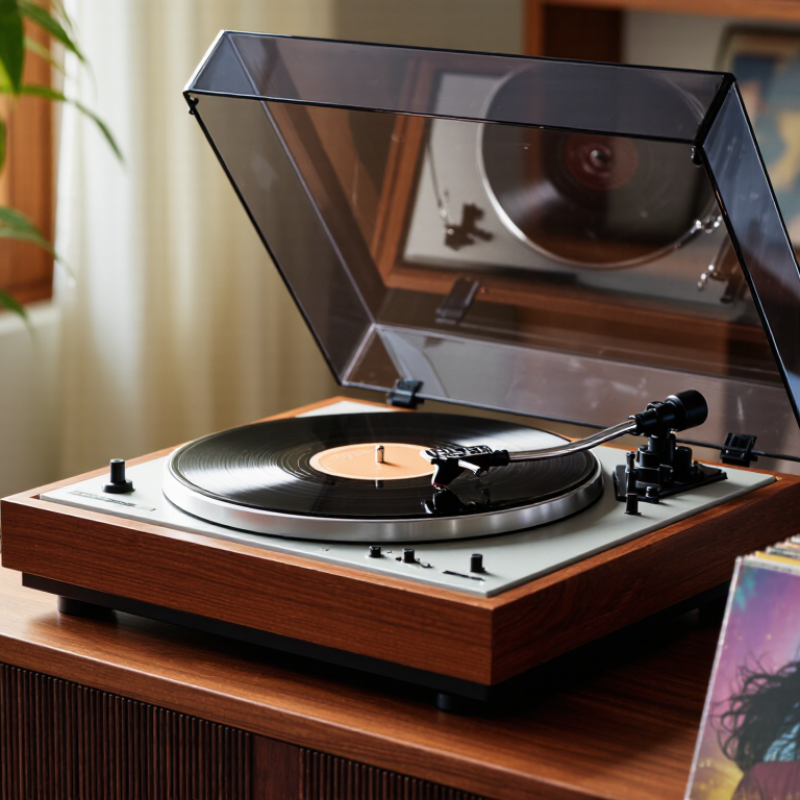
Why Are Vinyl Turntables Still Popular?

What Vinyl Turntables Are and How They Work

A vinyl turntable is a device that converts the tiny patterns in a record’s spiral groove into an electrical audio signal. The platter spins the record at a steady speed while a stylus, or needle, follows the groove. As the groove shifts, the stylus vibrates. The cartridge turns those movements into a weak electrical signal. That signal is quiet. A phono preamplifier boosts it and applies the equalization needed for playback. The result then travels to an amplifier and speakers. Not magic. Just mechanics. Keep the record level, and set the tracking force correctly; otherwise, playback can sound distorted or wear the groove faster. Dust matters, too. A single speck can become an audible click.

Turntables remain popular partly because listening is tactile: you handle a record, lower the tonearm, and hear the music emerge. The Recording Industry Association of America reported that U.S. vinyl revenue reached $1.4 billion in 2023, a 10% increase from the previous year. That figure reflects sales, not sound quality, but it shows continued demand. Vinyl playback is also less convenient than opening a digital playlist. Setup can be fussy, and records need careful storage. I still find that ritual appealing, though it may be nostalgia as much as engineering.

How Turntables Reproduce Sound from Records

A turntable begins with a tiny physical detail: a stylus resting in a record’s spiral groove. As the record spins, the groove’s changing shape moves the stylus from side to side and up and down. Those movements carry the recorded signal, including differences between the left and right channels.

Tiny movements matter. The stylus is attached to a cantilever, which transfers its motion to a cartridge. Depending on the cartridge design, magnets and coils convert that motion into a small electrical signal. The signal is too quiet to drive ordinary speakers directly, so it passes through a phono preamplifier. This stage boosts its level and restores the tonal balance used when the record was made. In practical terms, it helps bring back bass and soften treble that were adjusted during cutting.

An amplifier then strengthens the signal for the speakers, where electrical changes become moving air. That is the basic chain. A faint hiss or soft crackle may accompany playback, but it is not the music itself; dust, wear, and setup can all affect what listeners hear. Even small changes in tracking force or alignment can alter the stylus’s contact with the groove. It is tempting to treat every surface noise as part of the charm, though some noise simply means the record or equipment needs attention.

Why Listeners Value Vinyl’s Listening Experience

Why Are Vinyl Turntables Still Popular?
Why Listeners Value Vinyl’s Listening Experience

A record asks for a little attention. You take it from its sleeve, check the surface, and lower the tonearm onto the spinning disc. The soft crackle may appear between notes, while a singer’s breath or a brushed drum feels close and present. These details do not make vinyl more accurate than digital audio. They give listening a physical texture.

The format also shapes how people hear an album. Each side has a natural stopping point, so listeners may pause, turn the record, and notice how one track leads into another. Artwork and printed notes offer something to look at while the music plays. It feels deliberate. In a quiet room, that small ritual can make a familiar song seem newly focused.

The experience has flaws, too. Dust and worn records can add noise, and a turntable needs careful setup to play reliably. Changing sides can interrupt the mood. Some listeners enjoy that pause; others find it inconvenient. A warped record can be frustrating. Yet for people who like handling music and giving an album their full attention, those physical steps are part of the appeal.

Why Are Vinyl Turntables Still Popular?

A hands-on listening experience, from placing the record to turning it over, gives music a more deliberate feel.

Common playback speeds for vinyl records are 33⅓ RPM for LPs and 45 RPM for many singles. The ritual of choosing a record, lowering the needle, and listening side by side is part of vinyl’s appeal.

The Cultural and Collectible Appeal of Vinyl

Vinyl’s appeal is not only about sound; it is also about the rituals and memories attached to physical records. You lift the sleeve, read the notes, and place the disc carefully on the turntable. The faint surface noise becomes part of the moment, though it is not always charming. That ritual matters. Album artwork gives music a presence on a shelf, while liner notes can reveal details that streaming screens often hide. For some listeners, records connect family stories with newer discoveries: an old jazz album inherited from a relative might sit beside a record found at a neighborhood shop.

Collecting also turns personal taste into a small archive. People often look at condition, pressing information, and an album’s history, but those details can be difficult to verify. A worn sleeve may carry more meaning than a pristine copy. Still, nostalgia can make us romanticize records, and collecting can become more about ownership than listening. It is worth asking what makes a record valuable to you: its sound, its design, or the memory attached to finding it. The answer may change over time. A record can be both an object to care for and music to play, with neither role needing to be perfect.

How Turntables Fit into Modern Music Listening

Turntables fit into modern listening as a hands-on counterpoint to instant playlists. A record asks you to choose an album, remove it from its sleeve, and lower the stylus carefully. That pause matters. It gives listening a physical rhythm, especially after a day spent tapping through tracks on a screen. You may notice where one song ends and the next begins, or hear a quiet passage you usually skip.

Still, vinyl does not automatically sound better. Condition, mastering, equipment, and room acoustics all affect what reaches your ears.

Modern systems can combine a turntable with powered speakers or a receiver, while streaming remains useful for discovery and background music. A phono preamp is often needed to bring the turntable’s signal to a usable level.

Setup also matters: a level surface and correctly aligned cartridge help reduce distortion and uneven wear. Dust is easy to overlook. So is the cost of replacing worn parts.

It is not effortless. Some evenings, flipping a record feels like a chore, not a ritual. That small inconvenience may be part of the appeal, though it is worth asking whether the slower pace suits your habits.

FAQS

What does a vinyl turntable do?

It reads tiny patterns in a record’s spiral groove and converts them into an electrical audio signal. Not magic.

How does the record’s sound reach speakers?

The stylus follows the groove and vibrates. A cartridge converts that movement into a weak signal. A phono preamp boosts it, then an amplifier sends it to speakers.

Why might a turntable need a phono preamp?

Its signal is usually too quiet for ordinary speakers or amplifiers. The preamp raises the level and restores the tonal balance used when the record was cut.

What can cause clicks or crackles during playback?

Dust, record wear, and setup problems can add unwanted noise. A tiny speck may cause an audible click. Dust matters.

Does vinyl always sound better than digital music?

No. Record condition, mastering, equipment, and room acoustics all affect playback. The hands-on ritual may be appealing, but it does not guarantee better sound.

What setup details can improve playback?

Keep the turntable level and align the cartridge correctly. Set the tracking force as recommended; poor adjustment can cause distortion or faster groove wear.

How does a turntable fit into modern listening?

It can work with powered speakers or a receiver, while streaming remains useful for discovering music. A record also creates a slower listening pace. Sometimes that feels like a chore.

What practical upkeep should listeners expect?

Handle records carefully, keep dust away, and watch for worn parts that may need replacement. It takes more attention than tapping a playlist.

Conclusion

Vinyl Turntables remain popular because they offer a distinctive way to experience recorded music. A turntable spins a record while a stylus follows the grooves, tracing tiny variations that are converted into an audio signal and played through a sound system. This physical process gives listeners a more hands-on connection to music than simply pressing play on a digital device.

Many people value vinyl for its warm, detailed sound and the focused, unhurried listening experience it can encourage. Records also appeal as cultural objects: their artwork, liner notes, and physical presence make them enjoyable to collect and share. In modern music listening, turntables can complement streaming and other digital formats, giving listeners another way to explore albums and connect with the music they love.

Amelia

Amelia

Amelia is a marketing professional with a deep understanding of the company’s products and the needs they are designed to address. She regularly contributes expert blog articles to the company website, sharing clear, practical information that helps readers explore product features, compare......