0%

Why Are Sewing Machines So Expensive? The price can seem surprising when a compact machine sits beside a bright spool of thread and a simple cotton square. Yet a sewing machine is more than a motor and needle. Its cost may reflect build quality, stitch control, materials, included accessories, warranty coverage, and access to repair service. The mix varies by model, so a high price alone does not guarantee a better fit.

Sewing-machine historian Alex Askaroff offers useful historical context through his work on the machines’ development. A careful paraphrase of the practical lesson is: “A machine’s value depends on the work it is built to do.” This is not a verified verbatim quotation, and the distinction matters. A beginner hemming trousers may not need the same features as a quilter handling thick layers or a small studio sewing daily.

This guide examines what buyers are paying for, which features can raise prices, and where lower-cost models may make sensible compromises. It also considers maintenance and long-term ownership, since a neglected machine can become an expensive disappointment. A metal casing, extra stitch options, or a familiar brand name may matter—but only when they serve your projects. The honest answer is not always flattering: some premium features are easy to admire and hard to use. Knowing your sewing habits can make the price easier to judge.
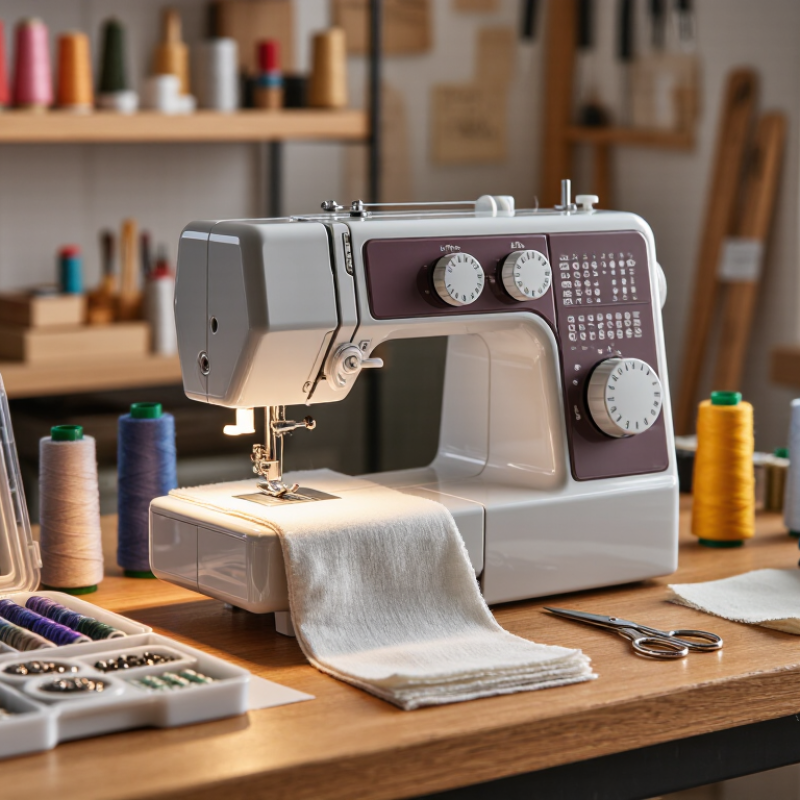
Why Are Sewing Machines So Expensive?

How Sewing Machine Design Affects Its Cost

Why Are Sewing Machines So Expensive?

How Sewing Machine Design Affects Its Cost

A sewing machine’s price reflects more than its outer shell. Its frame must resist vibration while the needle moves rapidly through fabric. A heavier metal frame can improve stability, but it adds material and shipping weight. Inside, the shaft, bearings, feed dogs, and tension parts must work together with little friction. Small gaps matter. Poor alignment can cause skipped stitches or uneven seams.

Design complexity also changes manufacturing and testing costs. A basic mechanical model uses fewer controls and parts. Computerized models may add sensors, a display, memory, and software that need extra assembly and quality checks. The motor and stitch mechanism must still handle different fabrics, from thin cotton to layered denim. That trade-off is not always obvious. More features can help, but they also create more points that need adjustment or repair.

Grand View Research’s Sewing Machine Market Size report estimated the global market at USD 5.1 billion in 2023, with projected growth of 5.4% annually from 2024 to 2030. That is market value, not a breakdown of each machine’s production cost. It does show a broad market investing in varied designs and uses. For buyers, the useful question is whether a machine’s frame, stitch control, and serviceable parts match the work it will actually do.

The Materials and Components Used in Sewing Machines

A sewing machine’s frame, shafts, and moving parts all affect its cost. Many frames use cast metal, while covers and some internal parts may be molded plastic. Metal can help a machine stay steady as the needle moves through thick fabric. But weight alone does not guarantee good sewing. A poorly aligned mechanism can still make uneven stitches.

Small parts matter. The hook assembly catches the thread beneath the needle, and feed dogs move fabric at a controlled pace. These parts need accurate shaping and smooth contact, or thread may snag and seams may wander.

Motors, bearings, and speed controls also vary in quality. Better components can run more quietly and maintain steadier needle movement, though careful assembly matters just as much. I have found that a machine’s vibration on a table can reveal more than its shiny finish.

Electronic screens and automatic threading add parts and testing costs, but not every sewer needs them. A simpler machine may be sensible for occasional repairs. When comparing prices, consider whether replacement parts are available and whether the machine can be serviced. A heavy body feels reassuring, but that impression is not the whole story.

How Manufacturing and Quality Control Shape Prices

A sewing machine’s price begins long before it reaches a shop. Manufacturers pay for precise metal parts, durable motors, and equipment that holds components steady during assembly. A heavy frame must stay aligned while the needle moves quickly. Gears need smooth edges, and feed dogs must pull fabric evenly. Small differences matter. Even a slight mismatch can cause skipped stitches or extra vibration.

Quality control adds time and cost. Workers may inspect parts, adjust tension, and sew through layers of different fabrics. Test stitches can reveal problems that a quick visual check misses. Some machines also undergo repeated cycles to check how well moving parts hold up. These checks require skilled labor and reliable testing equipment. They can catch defects, but they cannot make every unit perfect. That part is easy to overstate.

A higher price may reflect tighter tolerances and more careful testing, not just a polished casing or extra settings. Yet price alone does not prove better quality. A simpler machine, made with consistent parts and sensible checks, may serve many people well. I used to assume more metal always meant more durability. It is not quite that simple; design, assembly, and maintenance matter too.

Why Are Sewing Machines So Expensive?

Indicative retail price ranges by machine type (USD)

More capable machines can cost more because they require additional precision components, stronger motors, electronics, and assembly and quality checks. Price ranges are broad market estimates; region, accessories, and specifications affect the final price.

The Role of Features, Automation, and Specialization

A sewing machine’s price reflects more than stitching speed. A basic mechanical model uses fewer electronic controls and simpler feed systems. Computerized models may add sensors, stitch memory, automatic thread trimming, and motor control. Each feature requires components, calibration, and service support. Sometimes, the extras cost more than expected.

Specialization also affects price. Machines handling heavy fabric may need stronger motors, greater clearance, and walking-foot mechanisms. Embroidery and quilting models require precise positioning and wider work areas. Industrial machines are often designed for one task, such as attaching buttons or producing a specific seam. This can raise the purchase price while improving consistency and reducing handling time. The International Federation of Robotics’ World Robotics 2024 report counted 4,281,585 industrial robots operating in factories in 2023, a 10% increase from 2022. That figure is not specific to sewing machines, but it shows broader factory investment in automation. Payback depends on workload, training, and downtime.

Tips: Match the machine to your heaviest fabric and most frequent stitch. Check whether setup and maintenance are included. For occasional sewing, extra automation may sit unused. A long feature list can mislead; compare the time saved on your actual projects instead.

How Brands, Warranties, and Market Demand Influence Cost

A sewing machine’s price reflects more than its metal frame and motor. Warranty coverage can include parts, labor, and access to trained technicians. Those services cost money, but they may reduce repair surprises later. Check the fine print: coverage periods can differ for electronic components, mechanical parts, and labor. A long warranty is not automatically a good one. If service requires shipping a heavy machine far away, the practical value may shrink. That detail is easy to miss.

Brand reputation also affects cost through quality control, instruction, and repair support—not just a logo. Established makers may maintain spare-parts networks and provide clearer setup guidance. Yet buyers should compare specific features and service terms, rather than assume a higher price guarantees better results. There is a trade-off. A beginner may not need dozens of stitch options, while a frequent sewer could value a stronger motor and accessible repairs.

Grand View Research estimated the global sewing machine market at about $5.1 billion in 2023 and projected 5.4% annual growth from 2024 to 2030. That forecast suggests sustained demand, but market growth does not prove every machine is overpriced. More demand can support investment in new features, while competition and production costs also shape retail prices.

The uncomfortable part: a low sticker price may hide limited support, and a premium model may still go unused. These are worth checking before buying.

FAQS

Which materials are commonly used in sewing machines?

Frames often use cast metal, while covers and some internal parts may use molded plastic. Metal can improve stability, but weight alone does not guarantee even stitches.

Why do small sewing machine parts affect performance?

The hook catches thread beneath the needle, and feed dogs move fabric forward. Poor shaping or rough contact can cause snags and wandering seams.

Do more expensive components always make a machine better?

Better motors and bearings can reduce noise and steady needle movement. Careful assembly matters too. Price is not proof.

Can a machine’s vibration reveal anything useful?

Yes. Notice how it moves on a table while sewing. I may be overvaluing weight, but a shiny finish tells me less.

Are electronic screens and automatic threading worth the extra cost?

They add parts and testing costs, but occasional repair work may not require them. A simpler machine could be enough.

What should buyers check in a sewing machine warranty?

Compare coverage for mechanical parts, electronic components, and labor. A long warranty may be less useful if service requires shipping the machine far away.

Does a higher price guarantee better sewing results?

No. Compare specific features, repair access, and service terms. A premium machine can still sit unused.

What can market growth tell buyers about sewing machine prices?

The market was estimated at about $5.1 billion in 2023, with projected annual growth of 5.4% through 2030. Growth signals demand, not that every machine is overpriced.

Conclusion

Sewing Machines can vary widely in price because their design, materials, and construction differ. A simple model may use a straightforward mechanism and basic components, while a more advanced machine may require a sturdier frame, precisely made parts, and careful assembly. The quality of materials and the time spent on manufacturing and inspection can also affect how reliably a machine performs and how much it costs.

Price is influenced not only by construction but also by what a machine can do. Features such as automation, adjustable settings, and specialized functions may add complexity and convenience. Warranties and customer support can contribute to the overall value, while market demand may influence the prices shoppers encounter. Considering these factors together helps explain why sewing machines range from affordable, practical options to more expensive models designed for demanding or specialized use.

Oliver

Oliver

Oliver is a professional marketing specialist who combines a deep understanding of the company’s products with a clear, practical approach to sharing useful information. He regularly contributes expert articles to the company website, helping readers understand product features, compare available......