Choosing the best 4K Digital Cameras in 2026 requires more than comparing resolution numbers. A sharp 4K label does not guarantee clean footage, reliable autofocus, or practical battery life. This guide examines cameras through real shooting needs, including travel, interviews, wildlife, vlogging, and professional production. It considers sensor performance, stabilization, lens options, overheating control, audio inputs, and low-light detail.
Small differences matter. A camera with dependable face tracking can save a wedding scene. A bright screen helps during a sunny outdoor shoot. Dual card slots may protect hours of important footage. We will compare manufacturer specifications with independent testing and long-term user experience. Handling also matters. Some cameras feel balanced with a compact lens, while others become tiring after ten minutes.
There is no perfect model.
The highest resolution is not always the smartest choice. Some cameras produce beautiful files but demand expensive storage and powerful editing hardware. Others offer excellent stabilization but compromise with limited ports or weaker battery endurance. These weaknesses deserve honest attention. The selections in this article focus on measurable performance and everyday reliability, not promotional claims alone. We will identify the strongest options for different budgets and shooting styles, while explaining where each camera may disappoint. Readers should still check updated firmware, regional pricing, and current lens availability before purchasing. Specifications can change, and early impressions are not always dependable.
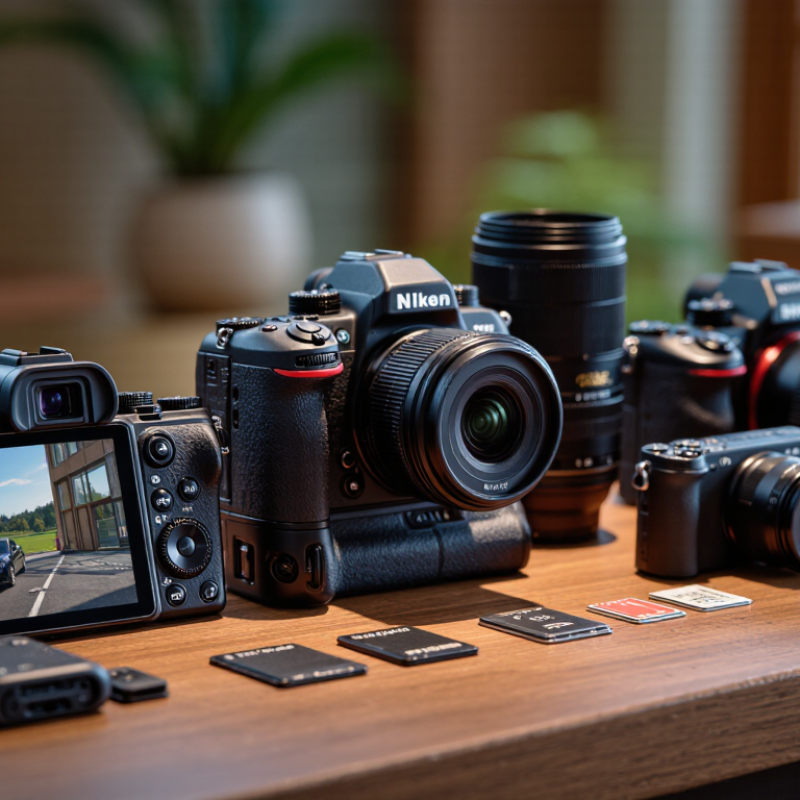
Defining the Key Features of 2026 4K Digital Cameras
A strong 2026 4K digital camera should offer more than a 3840×2160 recording option. Frame-rate choices matter in real shooting. Thirty frames per second suits interviews, while 60 frames creates smoother motion for sports and travel scenes. Reliable autofocus should recognize faces in uneven indoor light, not only bright studios. A useful field check is recording a moving subject near a window, where exposure can shift quickly. Natural skin tones and controlled highlights reveal more than sharpness alone.
Good stabilization also matters when walking with a small setup. Sensor-based stabilization can reduce trembling, but it cannot replace careful handling. Look for clean footage at higher ISO settings, since dim restaurants and evening streets expose weak noise control. Efficient codecs, adjustable bitrates, and dual storage options improve production security. However, large files fill cards quickly. Fast memory and a practical backup routine remain essential. Clear microphone inputs, headphone monitoring, and a fully rotating screen support solo creators. Heat management deserves attention too. A camera may promise long 4K recording, yet stop early in direct summer sunlight. Weather resistance helps, but it is not waterproofing. I would also examine battery performance under continuous recording, because laboratory claims can feel optimistic outdoors. Some specifications sound impressive, but everyday handling exposes their limits.
What Are the 2026 Top 4K Digital Cameras? - Defining the Key Features of 2026 4K Digital Cameras
| Key Feature | Premium Full-Frame Hybrid | Advanced APS-C Hybrid | Cinema-Oriented Full-Frame | Compact 1-Inch 4K Camera |
|---|---|---|---|---|
| Best Use | Professional photo and video production | Travel, wildlife, and creator filmmaking | Narrative, documentary, and commercial video | Travel, vlogging, and everyday 4K recording |
| Sensor Format | Full-frame, approximately 36 × 24 mm | APS-C, approximately 24 × 16 mm | Full-frame, approximately 36 × 24 mm | 1-inch type, approximately 13.2 × 8.8 mm |
| Maximum Video Resolution | 8K recording with oversampled 4K output | 6K recording with oversampled 4K output | 6K recording with professional 4K workflows | 4K recording |
| 4K Frame Rates | 24p, 25p, 30p, 50p, 60p, and up to 120p with a crop | 24p, 25p, 30p, 50p, 60p, and up to 120p with a crop | 24p, 25p, 30p, 50p, 60p, and up to 120p | 24p, 25p, 30p, and up to 60p |
| Internal Color Sampling | 10-bit 4:2:2 | 10-bit 4:2:2 | 10-bit 4:2:2, with RAW options on selected modes | 10-bit 4:2:2 on advanced recording modes |
| Typical Recording Formats | H.265, H.264, and selected RAW output | H.265 and H.264 | H.265, H.264, and professional RAW output | H.265 and H.264 |
| Image Stabilization | Five-axis in-body stabilization; approximately 5–8 stops depending on lens and mode | Five-axis in-body stabilization; approximately 5–7 stops | Electronic or optical stabilization; some cinema bodies omit in-body stabilization | Optical, electronic, or lens-based stabilization depending on the design |
| Autofocus System | Hybrid phase-detection autofocus with subject recognition | Hybrid phase-detection autofocus with human and animal tracking | Phase-detection or contrast-hybrid autofocus; manual focus remains common in cinema work | Contrast-hybrid or phase-detection autofocus with face tracking |
| Dynamic Range Potential | Approximately 13–15 stops in log or RAW workflows | Approximately 12–14 stops in log workflows | Approximately 13–15 stops with log, RAW, or dual-base-ISO modes | Approximately 11–13 stops, depending on profile and lighting |
| Native ISO Range | Typically ISO 100–51,200, expandable on selected models | Typically ISO 100–32,000, expandable on selected models | Typically ISO 100–102,400, often with dual-base-ISO options | Typically ISO 125–12,800, depending on the sensor design |
| Storage Media | CFexpress Type B and UHS-II SD support | UHS-II SD; some designs add a second card slot | CFexpress, XQD-type, or high-speed SD media depending on body design | UHS-I or UHS-II SD, with some models supporting internal storage |
| Connectivity | USB-C, HDMI, Wi-Fi, Bluetooth, and microphone/headphone ports | USB-C, HDMI, Wi-Fi, Bluetooth, and microphone/headphone ports | Full-size HDMI or SDI, USB-C, Ethernet or wireless control on selected bodies | USB-C, micro-HDMI, Wi-Fi, Bluetooth, and microphone input |
| Continuous Recording Considerations | Active cooling or heat-management design is recommended for long 4K sessions | Cooling performance varies; high frame rates may have time limits | Designed for extended recording with active cooling and robust heat dissipation | Compact bodies may require shorter takes in warm environments |
| Approximate Body Weight | 650–750 g with battery and memory card | 500–650 g with battery and memory card | 700–1,200 g before adding accessories | 300–450 g with battery and memory card |
| Primary Strength | Highest balance of image quality, still photography, autofocus, and 4K detail | Strong portability, reach, and efficient 4K production | Professional monitoring, heat management, audio, and post-production flexibility | Small size, simple operation, and convenient 4K mobility |
| Main Trade-Off | Higher cost, larger lenses, and demanding storage requirements | More noise and less background separation than full-frame systems | Greater weight, higher accessory needs, and a steeper production workflow | Smaller sensor, reduced low-light performance, and limited lens flexibility |
Note: The figures above represent common specifications and performance ranges for leading 4K camera categories available around 2026. Exact results vary by camera body, lens, recording mode, temperature, memory card, and firmware.
FAQS
Reliable autofocus keeps faces, eyes, and moving subjects sharp. It should recover smoothly after someone crosses the frame. Sudden focus jumps look distracting. Low light can still slow focusing.
No. It reduces small walking movements, but sudden steps may remain visible. A tripod still helps. Electronic stabilization can narrow the view or create unnatural edges.
A deep grip and balanced weight reduce hand fatigue. Reachable buttons improve control while recording. Textured surfaces help when hands become damp. Small controls matter.
Not necessarily. A small body is easier to carry, but stronger grips may feel safer. A slightly heavier camera can feel more stable. Personal comfort changes the decision.
Look for a clean microphone input and headphone monitoring. Dependable autofocus is useful indoors. A tilting screen helps when recording alone. Weak touch controls can slow setup.
Higher frame rates make waterfalls and street movement look smoother. They can also increase heat and battery drain. The benefit depends on your shooting style. More is not always better.
Beginners may prefer simple menus, automatic exposure, and a comfortable grip. They should test the touchscreen and control layout. Laboratory results cannot predict every habit. Try holding it first.
Check lens choices, battery endurance, repair access, storage costs, and firmware support. Weather sealing and replacement parts also matter. A cheaper body may need costly lenses. That can change everything.
Conclusion
The top 4K Digital Cameras of 2026 combine high-resolution imaging, reliable video performance, and practical everyday handling. This guide explores the key features that define a modern 4K camera, including sensor size, image quality, dynamic range, frame rates, and low-light capability. It also compares different sensor types to explain how they affect detail, color, noise, and overall video quality.
Beyond image capture, the discussion focuses on fast and accurate autofocus, effective stabilization, comfortable controls, and intuitive menus. The recommended cameras are considered for different users, from beginners and travel creators to enthusiasts and professional content makers. Price, lens availability, battery endurance, durability, and long-term value are also examined, helping readers understand the total ownership experience. By balancing performance, versatility, and cost, this overview makes it easier to choose a 2026 4K camera that fits specific creative goals and shooting conditions.