0%

Buying Espresso Coffee Machines is rarely just a choice between silver finishes and attractive buttons. It affects taste, time, maintenance, and household routines. A compact machine may fit beside a kettle, yet struggle when brewing several drinks before work. A larger model may offer stable temperature control, but require more counter space and cleaning.

Industry data shows why this decision deserves careful attention. The National Coffee Association’s Spring 2024 National Coffee Data Trends report recorded strong daily coffee consumption in the United States, including continued demand for specialty and espresso-based drinks. Grand View Research also identifies home coffee preparation as an important force in the global espresso machine market. However, market forecasts differ because researchers define “espresso machines” differently. That uncertainty is worth remembering.

Practical testing matters more than advertising claims. A reliable buying process examines grinder quality, pump pressure, thermal stability, milk steaming, water capacity, noise, warranty support, and cleaning access. These details become visible at 7 a.m., when coffee grounds cover the counter and a blocked steam wand delays breakfast. Professional guidance from the Specialty Coffee Association also emphasizes extraction variables, including dose, yield, time, and water quality. Still, even expert recommendations can feel excessive for occasional drinkers. I have found that buyers often overestimate pressure specifications and underestimate daily maintenance. The following ten tips connect industry evidence with real kitchen decisions, helping readers compare machines more honestly and avoid paying for features they will rarely use.
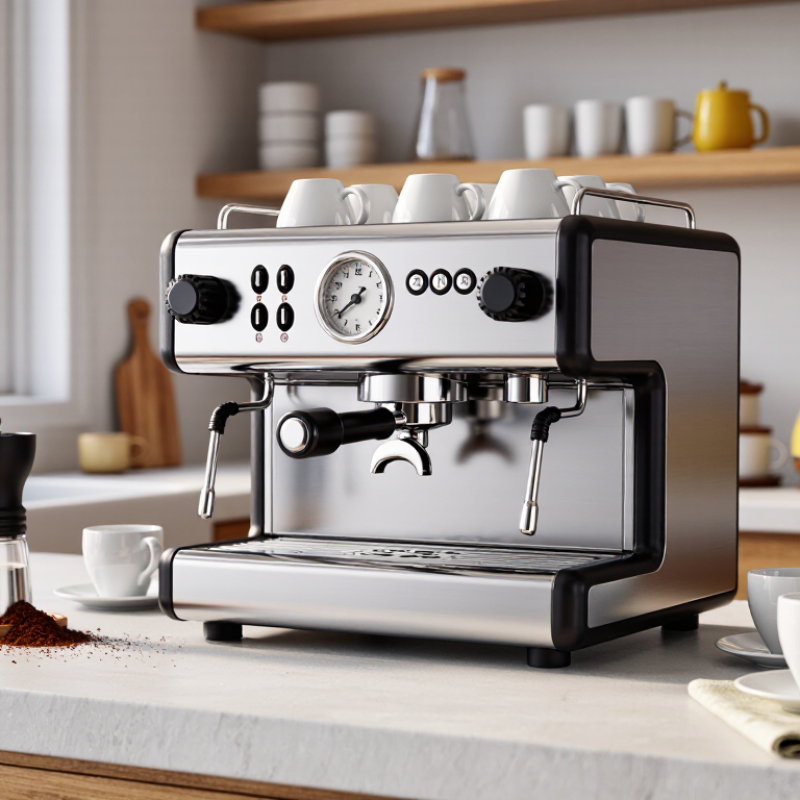
10 Tips for Buying Espresso Coffee Machines

Define Your Espresso Goals and Preferred Brewing Style

Before choosing an espresso machine, define what you want to drink each morning. Do you prefer short, intense espresso, or larger milk-based drinks? Your answer affects the machine’s brewing controls, steam power, and water capacity. I once bought a machine with advanced settings I rarely used. It looked impressive, but my routine became slower.

Think about your preferred brewing style. A semi-automatic machine gives you control over grinding, dosing, tamping, and extraction time. It suits people who enjoy adjusting variables and learning through taste. A fully automatic model reduces effort and may fit a busy household. Manual brewing can be rewarding, but it demands patience and consistent technique. Small changes matter. A two-second difference can alter the flavor noticeably.

Test your goals against your kitchen habits. If you make two milk drinks together, check whether the machine can steam milk and brew efficiently. If you drink espresso alone, a compact design may be more practical. Look for stable temperature control, clear pressure feedback, and accessible cleaning parts. These details influence daily reliability more than decorative features. I still sometimes change the grind too quickly, before tasting the previous shot properly. That is a useful mistake, because careful comparison teaches more than guessing. A machine should support your learning, not hide every brewing decision.

Compare Machine Types, Features, and User Controls

10 Tips for Buying Espresso Coffee Machines

Choosing an espresso machine starts with its type, not its appearance. A manual machine offers direct control over pressure, timing, and extraction. It suits patient users who enjoy adjusting each shot. A semi-automatic machine controls water delivery while you manage grinding, dosing, and stopping. This option gives useful control without making every step difficult. Automatic machines handle more of the process, which helps during busy mornings. Capsule systems are convenient, but they usually limit coffee choice and control.

Look closely at the user controls. A clear pressure gauge can help, although I once trusted mine too much. The coffee still tasted bitter because my grind was too fine. Adjustable temperature settings, programmable shot volume, and a responsive steam wand are more practical features. A built-in grinder saves counter space, but separate grinders often offer finer adjustment. Small details matter. Check whether the water tank slides out easily and whether the drip tray holds a full mug.

Your experience should guide the purchase. Beginners may prefer simple buttons and automatic milk functions. Experienced users might value a stable brewing temperature and manual steam control. Try turning the knobs and locking in the portafilter before buying. Awkward controls become irritating quickly. Cleaning also affects reliability, so inspect removable parts and follow the maintenance instructions. I would not choose the machine with the longest feature list. More control can improve results, but it can also expose inconsistent technique.

Evaluate Materials, Build Quality, and Long-Term Durability

10 Tips for Buying Espresso Coffee Machines

Materials and build quality often matter more than attractive controls. In my experience, a solid metal frame reduces movement during extraction. Stainless steel panels resist stains, while thick plastic can still work when properly reinforced. Check the group head, portafilter, steam wand, and drip tray closely. These parts face heat, water, and repeated handling. They should feel stable, not loose or sharply finished. A heavy portafilter usually signals better construction, but weight alone proves nothing.

Look inside the machine when possible. Copper or stainless steel tubing may tolerate heat well, depending on its design and maintenance. Ask whether seals, pumps, and heating components can be replaced. Reliable manufacturers publish service information and provide accessible spare parts. A clear warranty also shows confidence in long-term support. Avoid vague promises. They are not enough. I once chose a machine because its exterior looked exceptionally strong. Later, its small internal fittings were difficult to replace. That was an expensive lesson.

Durability depends on daily habits, not materials alone. Rinse the group head, empty the drip tray, and descale according to water hardness. Hard water can damage heating systems faster than expected. Listen for unusual vibration or leaking. Early warning signs deserve attention. Test the steam wand after several minutes of use, not only during a quick demonstration. Also inspect the cable, switches, and hinges. I still prefer simple controls because fewer fragile parts may mean fewer repairs, though this is not always true. Check independent repair feedback before buying. Test evidence is more useful than polished advertising.

Calculate Costs for Purchase, Maintenance, and Accessories

10 Tips for Buying Espresso Coffee Machines

The sticker price is only the beginning. When I bought my first espresso machine, I underestimated the grinder and water filter. My spreadsheet was wrong. A realistic budget should include the machine, grinder, tamper, scale, milk pitcher, cleaning tools, and suitable cups. These accessories can quietly add 20 to 40 percent to the purchase cost. A reliable scale and grinder usually improve consistency more than decorative features.

Maintenance also needs a monthly estimate. Check the instruction manual for cleaning frequency, filter replacement, gasket care, and descaling guidance. Hard water may increase service needs and shorten component life. Keep a small reserve for replacement seals, screens, brushes, and professional inspection. In my experience, cleaning supplies were inexpensive, but missed maintenance became expensive quickly. That lesson was not pleasant.

Calculate the total cost for twelve months before choosing a model. Add the purchase price, accessories, coffee, water treatment, electricity, and expected repairs. Compare this figure with your actual drinking habits. A large machine may waste energy if you make two cups daily. A smaller unit may cost less but require more frequent refilling. Ask a qualified seller or technician about service availability, parts access, and warranty conditions. Do not trust impressive specifications alone. A machine can look powerful yet feel inconvenient at 7 a.m. Leave room for mistakes. Estimates change.

Check Cleaning Requirements, Warranty Coverage, and Customer Support

When buying an espresso machine, study its cleaning routine as carefully as its pressure system. I once chose a compact model without checking the milk wand design. Cleaning the narrow opening was frustrating. Look for removable drip trays, accessible brew parts, and clear cleaning alerts. A machine should make daily care practical, not punish you for missing one rinse.

Check whether the manual explains backflushing, descaling, and milk-system cleaning in plain language. Water hardness matters because mineral buildup can affect flow and heating. Ask how often filters, seals, and cleaning tablets need replacement. These costs can quietly change the ownership experience. Keep records.

Read the warranty before paying. Confirm its length, parts coverage, labor coverage, and exclusions for scale or accidental damage. Also check who pays for shipping and whether proof of purchase is required. Customer support should offer searchable manuals, replacement parts, and clear repair instructions. Test the support channel with a specific question before buying. A vague reply is useful evidence. I sometimes trust attractive specifications too quickly, and that remains a mistake worth avoiding.

10 Tips for Buying Espresso Coffee Machines - Check Cleaning Requirements, Warranty Coverage, and Customer Support

Tip Buying Factor What to Check Practical Buying Guidance Key Question to Ask
1 Cleaning Requirements Review the daily, weekly, and periodic cleaning steps for the brew group, portafilter, steam wand, drip tray, and water tank. Choose a machine whose routine cleaning can be completed easily with removable, accessible parts. How much cleaning is required after each use?
2 Descaling Process Check whether the machine has a descaling program, a clear alert system, and instructions for handling mineral buildup. A guided descaling cycle can make maintenance more consistent, especially in areas with hard water. Does the machine indicate when descaling is needed?
3 Warranty Coverage Confirm the warranty period, covered components, exclusions, proof-of-purchase requirements, and whether labor or shipping is included. Do not compare warranty length alone; read the conditions and maintenance obligations carefully. Which parts and service costs are covered?
4 Customer Support Look for published phone, email, chat, or service-center details and check the stated support hours. Accessible support channels are valuable when troubleshooting leaks, temperature issues, or error messages. How can technical help be reached after purchase?
5 Machine Type Identify whether the machine is manual, semi-automatic, automatic, or capsule-based, and understand the skill each type requires. Manual machines offer more control, while automatic systems generally reduce preparation steps. How much control do I want over espresso preparation?
6 Water Capacity Check the water-tank capacity, whether the tank is removable, and how easily its level can be monitored. A larger tank can reduce refilling for multiple drinks, but it may require more counter space. Will the tank capacity suit my daily drink volume?
7 Milk-Frothing System Compare a manual steam wand with an automatic milk system and examine how milk-contact parts are cleaned. Any component that contacts milk should be easy to disassemble, rinse, and dry after use. Can every milk-contact part be cleaned thoroughly?
8 Countertop Fit Measure the available width, depth, and height, including the clearance needed to open the water tank or add coffee. Allow extra space for ventilation, cable routing, refilling, and removing maintenance parts. Will the machine remain accessible after installation?
9 Replacement Parts Check whether filters, seals, cleaning tablets, baskets, carafes, and other maintenance parts can be purchased separately. Parts availability can affect long-term ownership cost and reduce the need to replace the entire machine. Are essential wear parts available for separate purchase?
10 User Controls and Safety Review the control layout, automatic shutoff features, pressure-release behavior, and alerts for empty tanks or full drip trays. Clear controls and safety alerts can make daily operation more predictable for new and experienced users. Are the operating instructions and safety alerts easy to understand?

FAQS

How should I define my espresso goals before choosing a machine?

Decide whether you prefer short, intense espresso or larger milk-based drinks. Your answer affects controls, steam power, and water capacity.

What is the difference between semi-automatic, fully automatic, and manual brewing?

Semi-automatic brewing lets you adjust grinding, dosing, tamping, and extraction time. Fully automatic machines reduce effort. Manual brewing demands patience and steady technique.

What kitchen habits should influence my choice?

Consider your daily drink count and available counter space. If you prepare two milk drinks together, check steaming and brewing efficiency. Compact machines suit solo espresso drinkers.

Which machine features matter more than decorative details?

Stable temperature control, clear pressure feedback, and accessible cleaning parts matter greatly. Attractive design cannot fix unreliable daily performance.

How important is extraction timing?

Very important. A two-second difference can noticeably change flavor. Taste one shot before changing the grind again.

What cleaning features should I inspect?

Look for removable drip trays, accessible brewing parts, and clear cleaning alerts. Check the milk wand opening carefully. Narrow openings can become frustrating.

How do water hardness and maintenance affect ownership?

Hard water may cause mineral buildup, slowing flow and heating. Check instructions for descaling, backflushing, and milk-system cleaning. Keep maintenance records.

What should I confirm about warranty and customer support?

Check coverage length, parts, labor, exclusions, shipping fees, and proof-of-purchase rules. Look for searchable manuals and replacement parts. Test support with one specific question.

What common buying mistake should I avoid?

Do not trust impressive specifications too quickly. I once ignored cleaning design and regretted it. Daily convenience deserves careful comparison.

Conclusion

Choosing the right Espresso Coffee Machines starts with understanding your personal coffee goals and preferred brewing style. Consider how often you make espresso, whether you value convenience or hands-on control, and which drinks you plan to prepare most often. Compare different machine types, brewing functions, pressure controls, steam capabilities, and ease of use to find a model that matches your experience level and daily routine. It is also important to examine the materials, construction, and overall build quality, since a durable machine can provide more consistent performance over time.

Before making a purchase, calculate the complete cost, including accessories, water filters, cleaning supplies, and possible repairs. Review the machine’s cleaning requirements to ensure regular maintenance will fit comfortably into your schedule. Finally, examine the warranty terms and the quality of customer support, as dependable service can make ownership much easier. By balancing performance, durability, operating costs, and convenience, you can select an espresso machine that delivers satisfying results while remaining practical for long-term use.

Amelia

Amelia

Amelia is a marketing professional with a deep understanding of the company’s products and the needs they are designed to address. She regularly contributes expert blog articles to the company website, sharing clear, practical information that helps readers explore product features, compare......