0%

Electric Bread Makers make fresh bread with less hands-on work than traditional oven baking. You add ingredients to a removable pan, choose a program, and let the machine manage much of the process. Inside, a motor turns a kneading paddle, while a heating element warms the pan. Many models also use timed controls or temperature sensors to guide each stage.

A typical program mixes flour, water, yeast, and other ingredients, then kneads the dough and allows it to rise. Later, the machine bakes the loaf and signals when it is ready. Some settings make dough for shaping by hand; others offer choices such as loaf size or crust color. Simple enough. Yet results depend on accurate measuring, fresh yeast, and the recipe’s fit with your machine. Even room temperature can affect how dough rises.

Understanding these steps helps you choose settings with realistic expectations and troubleshoot uneven loaves. For example, a dense center may point to too much flour, weak yeast, or a cycle that does not suit the recipe. Check the manufacturer’s instructions before changing ingredient order or cleaning the pan. Models differ, and manuals are more useful than confident guesses. Bread makers save effort, but they do not remove every variable. That small limitation is worth remembering: the machine controls the cycle, while the ingredients still shape the result.
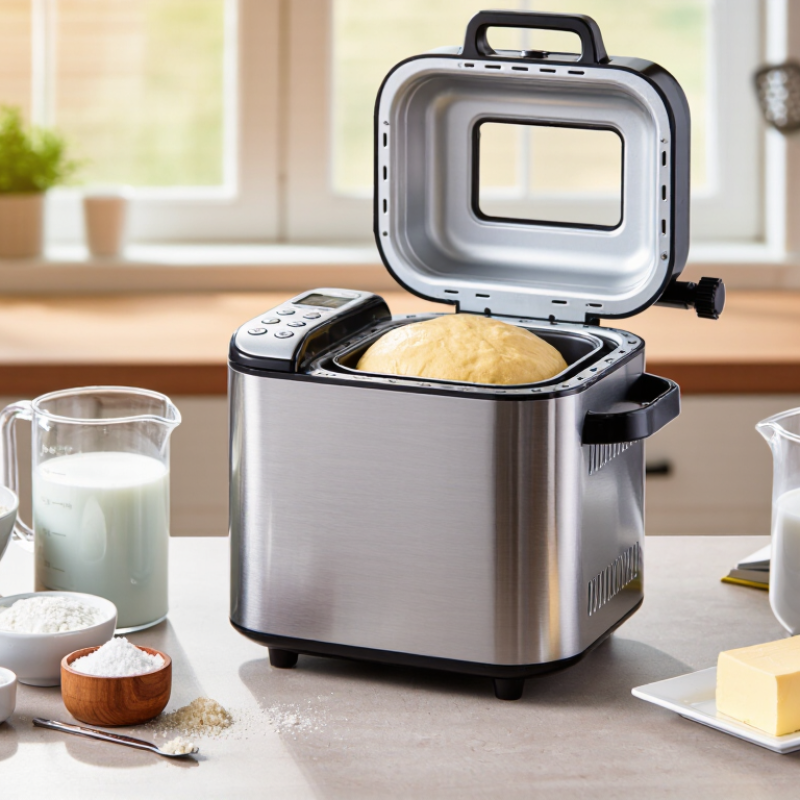
What Are Electric Bread Makers and How Do They Work?

What Defines an Electric Bread Maker

An electric bread maker is a countertop appliance that mixes, kneads, proves, and bakes dough inside one compact pan. Its main parts are a baking chamber, a removable loaf pan, a kneading paddle, and a control panel. A motor turns the paddle, while a heating element warms the pan and later bakes the dough. The machine manages these stages through timed programs, so users can add measured ingredients and select a cycle.

The process is coordinated, not mysterious. During kneading, the paddle works the dough against the pan; during proofing, gentle warmth helps yeast produce gas and expand the mixture. Baking then sets the loaf’s structure and browns its crust. Some models offer options for loaf size, crust shade, or delayed start, but cycle names and settings vary. Read the appliance’s instructions, especially when choosing ingredient amounts or using a timer. Small measuring errors can change the texture.

It is convenient, but not flawless. A loaf may have a small hole where the paddle sat, and dense recipes can bake unevenly if their proportions are off. The finished bread also tends to have a different shape from a hand-formed loaf baked on a tray. That trade-off is easy to miss. A bread maker is best understood as a compact, programmable mixing and baking system, rather than simply a small oven.

The Main Components and Their Functions

An electric bread maker combines a removable pan, kneading paddle, motor, heating element, temperature sensor, and control board. The pan holds the ingredients and shapes the loaf. A small motor turns the paddle, mixing flour, water, yeast, and salt into dough. The heating element later warms the chamber, while the sensor helps regulate its temperature. Simple parts, precise timing.

The control board runs the programmed cycle: mixing, resting, kneading, proofing, and baking. During proofing, yeast produces gas that expands the dough; during baking, heat sets its structure and browns the crust. A vent releases moisture, and a viewing window lets you check the loaf without lifting the lid. Opening it can disturb rising dough. A warm crust is not proof of even baking.

For energy context, the U.S. Energy Information Administration’s Electric Power Annual reports average residential electricity sales of 10,791 kWh per customer in 2022. That figure covers household use, not bread makers specifically. A machine’s actual consumption depends on its rated power, cycle length, and selected program. A quick inspection of the pan and paddle also matters: residue can hinder mixing, and a slightly uneven loaf may reflect ingredient measurement as much as machine performance.

What Are Electric Bread Makers and How Do They Work? - The Main Components and Their Functions

Component What It Does How It Works Role in the Bread-Making Process
Bread pan Holds the ingredients and dough during mixing, rising, and baking. The pan fits inside the machine and connects to the kneading mechanism. Many models use a removable, coated pan for easier cleaning. Gives the loaf its shape and transfers heat to the dough.
Kneading paddle Mixes ingredients and kneads the dough. A paddle at the bottom of the pan rotates when driven by the machine’s motor. It may remain in the loaf after baking, leaving a small hole when removed. Combines the ingredients and develops the dough’s gluten structure.
Motor and drive system Provides the mechanical power for mixing and kneading. The motor turns a drive shaft or coupling beneath the pan, which rotates the paddle according to the selected program. Moves the dough through the programmed mixing and kneading stages.
Heating element Heats the baking chamber and cooks the dough. An electric resistance element warms the space around the pan. The control system cycles the heat on and off to manage the baking temperature. Supports dough rising by warming the chamber and bakes the loaf into bread.
Temperature sensor or thermostat Measures or regulates temperature inside the machine. Depending on the design, a sensor or thermostat monitors heat and provides feedback to the control system. Helps the machine maintain suitable conditions for rising and baking.
Control panel and electronic controller Lets the user select settings and coordinates the machine’s operations. Buttons or a display send the selected program to an electronic controller, which manages the motor, heating, pauses, and timing. Runs the sequence of mixing, kneading, rising, and baking steps.
Programs and timer Set the timing and sequence for different types of loaves or dough. Stored program settings control how long the machine mixes, rests, kneads, rises, and bakes. Some machines also offer a delayed-start timer. Adapts the process to options such as basic bread, whole-grain bread, or dough preparation.
Lid and viewing window Enclose the baking chamber and allow the user to check progress. The lid helps retain heat and limit heat loss. A viewing window, when included, permits observation without opening the lid. Helps keep chamber conditions stable while the loaf rises and bakes.
Ingredient or yeast dispenser (optional) Adds certain ingredients automatically during a program. On models that include one, a compartment releases yeast or additions such as fruit and nuts at a preset point in the cycle. Can keep ingredients separate until the program calls for them to be mixed in.

How the Bread-Making Cycle Works

An electric bread maker turns a measured mixture into a loaf through a sequence of timed stages. The user adds ingredients to the pan, following the machine’s guidance on order. A small paddle then stirs flour, liquid, yeast, and other ingredients into dough. At first, the mixture may look shaggy or sticky. That is normal.

Kneading develops the dough’s structure. The machine pauses to let it rest, then gives it time to rise in a warm chamber. Some programs briefly knead again to release excess gas before a second rise. Then comes the wait. During baking, the heating element browns the crust while the center cooks through. A final cooling period helps the loaf hold its shape when removed.

The cycle is controlled by a program, but the dough still responds to its surroundings. Cool rooms, different flour, or slightly inaccurate measurements can change how quickly it rises. The machine may finish on schedule even when the loaf looks a little different from the last one. Small details matter. Checking the dough early in the kneading stage can reveal whether it needs a spoonful of liquid or flour. That check takes attention, and it can feel like the machine should handle everything. It cannot always.

How to Use a Bread Maker Step by Step

An electric bread maker mixes, kneads, proofs, and bakes dough in one heated pan. Before using it, check the instruction booklet, since ingredient order and cycle names can vary. Place the kneading blade firmly in the pan, then measure each ingredient with a scale or measuring cups. Add liquids and dry ingredients as directed; keep yeast away from salt or liquid if the recipe calls for that arrangement. Small differences matter. Too much flour can make a loaf dense, while excess water may leave the center gummy.

Lock the pan into the machine and choose a cycle, loaf size, and crust setting that match your recipe. Press start, then watch the dough during its early kneading stage. It should form a soft ball, not cling in a wet puddle or rattle around as a dry lump. If needed, add water or flour a teaspoon at a time. This part takes judgment, and the first check can feel uncertain. Keep the lid closed during rising and baking, unless the manual says otherwise. When the cycle ends, use oven mitts to lift out the hot pan. Turn the loaf onto a rack and remove the blade carefully. Let the bread cool before slicing; cutting it too soon can compress its tender crumb.

Common Bread Maker Programs and Settings

An electric bread maker mixes, kneads, proofs, and bakes dough in one heated pan. Its programs set the timing and temperature for each stage. Basic or white-bread settings suit many everyday loaves. Whole-wheat programs usually allow extra time for heavier flour to absorb water and rise. Rapid cycles finish sooner, but the loaf may be denser. That trade-off is easy to overlook.

Dough mode mixes and kneads without baking, so you can shape rolls or pizza by hand. Jam and cake settings appear on some machines, though their availability varies. Crust controls adjust browning, while loaf-size options help match the recipe to the pan. A delay timer can schedule a loaf, but avoid leaving perishable ingredients unrefrigerated for long periods. Even a reliable program may need small adjustments: flour absorbs moisture differently, and a dry kitchen can affect dough. Check the dough during kneading; it should form a soft ball, not smear across the pan.

Tips: Keep yeast separate from liquid when adding ingredients, if your manual recommends it. Measure flour carefully. Pause and inspect the dough once; it can reveal more than the display.

What Are Electric Bread Makers and How Do They Work?

An electric bread maker mixes, kneads, proofs, and bakes dough in one appliance. Its programs adjust the sequence and duration of these steps for different recipes.

Common Bread Maker Programs: Approximate Cycle Duration

Durations are typical examples, not fixed specifications. Actual cycle times vary by recipe, loaf size, selected crust setting, and machine.

FAQS

What happens during a bread maker’s cycle?

A paddle mixes the ingredients into dough, then kneads it. The dough rests and rises in a warm chamber. Baking browns the crust and cooks the center. A cooling period helps the loaf keep its shape.

Is sticky dough normal during kneading?

Yes. Early dough can look shaggy or sticky. Check it during kneading: it should form a soft ball, not smear across the pan. Add a small spoonful of flour or liquid if needed.

What is the difference between basic and whole-wheat programs?

A basic program suits many everyday loaves. Whole-wheat settings usually allow more time for heavier flour to absorb water and rise. The timing can still vary with the flour.

Does a rapid program change the loaf?

It finishes sooner, but the loaf may be denser. That trade-off is easy to miss when choosing a setting.

What does dough mode do?

It mixes and kneads without baking. You can shape the dough by hand into rolls or pizza. It saves a step, though shaping still takes attention.

Can crust and loaf-size settings affect the result?

Crust controls adjust browning, while loaf-size options help match a recipe to the pan. Check the recipe and pan size; I find that detail easy to overlook.

Can I use a delay timer?

Yes, but avoid leaving perishable ingredients unrefrigerated for long periods. Follow the machine’s guidance on ingredient order, too. Small details matter.

Why does the same program produce a different-looking loaf?

Room temperature, flour type, and measurement differences can change how quickly dough rises. The machine may finish on schedule anyway. So the loaf can look a little different.

Conclusion

Electric Bread Makers are countertop appliances that combine mixing, kneading, rising, and baking in one convenient process. Their main parts typically include a baking pan, a kneading paddle, a heating element, a motor, and a control panel. The pan holds the ingredients, the paddle mixes and kneads the dough, and the heating element provides warmth for rising and baking. Together, these components make it possible to prepare a loaf with little hands-on effort.

To use a bread maker, add the ingredients in the order recommended by its instructions, select a program, choose settings such as loaf size or crust color, and start the cycle. The machine then mixes the ingredients, kneads the dough, allows it to rise, and bakes it. Common programs may be designed for basic white bread, whole-grain loaves, dough preparation, rapid baking, or gluten-free recipes. Understanding the available settings helps users choose a cycle that suits their ingredients, schedule, and preferred loaf texture.

Clara

Clara

Clara is a marketing professional with a deep understanding of the company’s products and the needs of the people who use them. She regularly contributes expert articles to the company website, turning product knowledge and industry insights into clear, practical guidance. Her writing helps readers......