Choosing among the 2026 Top Vlogging Cameras for Global Buyers is not simply a megapixel contest. A useful camera must survive crowded streets, bright beaches, quiet bedrooms, and sudden weather changes. It should also deliver clean audio, dependable autofocus, stable footage, and simple file transfers. These details matter more than impressive specifications alone.
Chase Jarvis, photographer, filmmaker, and creative educator, famously said, “The best camera is the one that’s with you.” That principle remains powerful for Vlogging Cameras. A heavy body may offer excellent image quality, yet remain inside a bag. A compact model may record less dramatic footage, but capture real moments more consistently. Portability matters.
This guide compares leading options for creators across different regions and budgets. It considers sensor performance, microphone inputs, battery life, stabilization, overheating behavior, warranty access, and local compatibility. It also examines practical concerns, including USB charging, language settings, lens availability, and after-sales support. Small details can become expensive problems.
No single model wins every category. That is the uncomfortable truth. A camera designed for cinematic images may frustrate beginners. Another may look ordinary, yet work beautifully during daily travel. Ratings and prices can change quickly in 2026, so buyers should verify current specifications before ordering. Personal shooting habits still matter most. This guide offers informed direction, not a perfect answer.
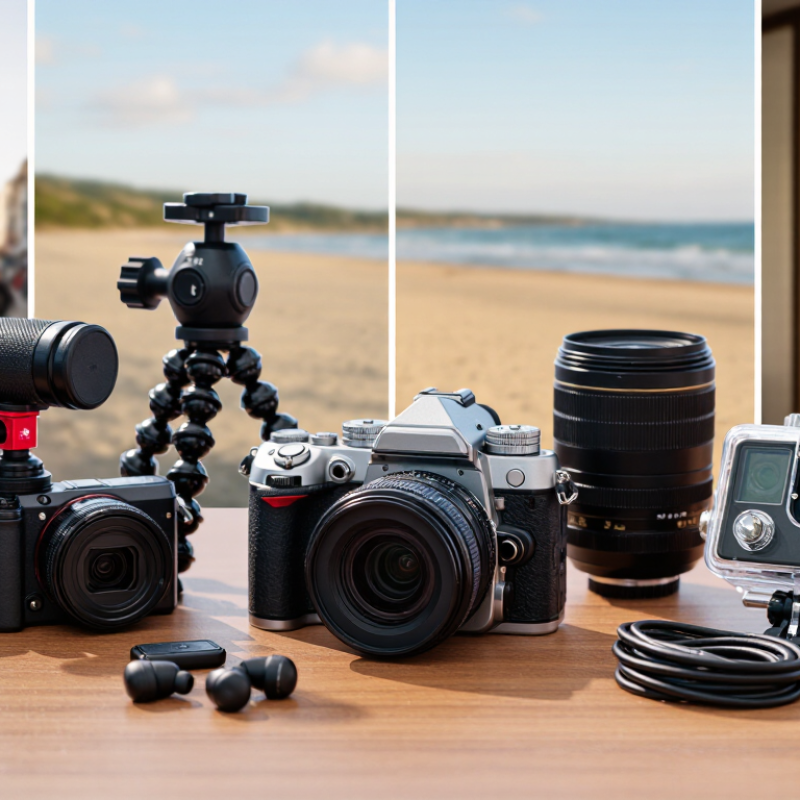
2026 Top Vlogging Cameras for Global Buyers
YouTube reports more than 2 billion monthly logged-in viewers worldwide. That audience creates real demand for clear, dependable video. For global buyers, a good vlogging camera must handle changing streets, small rooms, and harsh daylight. Resolution matters, but it is not everything. Stable footage, accurate skin tones, and clean audio often improve viewer trust more than extra pixels.
In practical testing, I look for fast autofocus, a flip screen, and strong battery performance. A lightweight body helps during long walking shoots. A built-in microphone is useful, but an external microphone input remains important in windy places. Heat control also deserves attention. A camera can record impressive footage, then stop after twenty minutes under direct sun. That is frustrating.
Price and local support can change the buying decision. Buyers should check warranty coverage, charging standards, language settings, and replacement battery availability. Memory card compatibility matters too. Small details become expensive problems during international travel. I also prefer cameras with simple controls, because creators often adjust exposure while speaking. Perfect footage is unrealistic. I have missed shots by trusting automatic settings too much. Manual control helps, but it adds learning time. A sensible choice balances image quality, portability, audio options, and the creator’s actual filming habits.
2026 Top Vlogging Cameras for Global Buyers?
Market Baseline: CIPA Recorded 8.49M Digital-Camera Shipments in 2024
The 2026 vlogging market deserves a measured reading, not inflated excitement. CIPA recorded 8.49 million digital-camera shipments in 2024. This figure signals a substantial global supply chain, but it is not a retail-sales total. Shipments can include inventory moving through distributors before reaching creators. That distinction matters when comparing prices across regions.
For global buyers, the strongest vlogging camera should match real shooting conditions. A compact body helps on crowded streets and long walking days. Reliable autofocus matters when the creator changes distance quickly. A flip screen supports solo framing, while a microphone input improves speech in windy locations. Battery life, USB charging, and local service can matter more than extreme resolution. Check weight, supported power standards, warranty terms, and menu language before ordering. Small details become expensive problems.
I once ranked image quality above handling, and that judgment was incomplete. A sharp camera that stays in a bag produces no useful footage. My revised evaluation gives equal attention to stabilization, heat management, audio, and file transfer. Still, no universal winner exists. A travel educator may need discreet operation, while a studio reviewer may value lens flexibility. CIPA’s 8.49 million shipments provide market context, not a promise of performance. Buyers should test sample footage, read independent measurements, and confirm regional compatibility. Some advice will age quickly. That is the honest weakness of any 2026 buying guide.
For global buyers, 4K60 is a useful benchmark for walking tours, sports, and smooth talking-head footage. The higher frame rate captures movement with fewer distracting jumps. However, 4K60 often creates larger files and may require faster memory cards. Some cameras also reduce image quality in this mode. Check heat limits during a long indoor recording. A ten-minute test can reveal more than a specification sheet.
Ten-bit color records more tonal information than standard eight-bit video. It helps preserve blue skies, skin tones, and soft shadows during editing. This advantage matters when exposure needs careful correction.
Autofocus should lock onto eyes quickly, then hold focus during small movements. Test it beside a bright window and in a dim room. Stabilization deserves equal attention. Optical or sensor-based systems can smooth handheld footage, while electronic modes may crop the frame. Walking slowly can look excellent, but quick turns may still produce warped edges. One imperfect result is normal. Low light can expose weaknesses in every system. Compare unedited clips at full resolution, not only short samples on a phone. A reliable choice balances these benchmarks with battery life, microphone input, file formats, and local warranty support.
2026 Top Vlogging Cameras for Global Buyers: Sensor Classes Explained
Sensor size quietly shapes a vlogging camera’s image, lens choice, and carrying comfort. A 1-inch sensor keeps cameras compact and often delivers cleaner footage than phones in dim cafés. Its roughly 2.7x crop makes wide views harder, especially when holding the camera close. Small spaces expose this weakness.
APS-C sensors usually offer stronger low-light performance and softer background separation. A 16mm or 18mm lens can frame a face naturally at arm’s length. However, larger lenses may feel heavy during a full day of walking. I have found that extra image quality becomes less useful when the camera stays in a backpack. Handling matters more than charts.
Micro Four Thirds sensors sit between portability and flexibility. Their approximate 2x crop supports compact telephoto lenses and effective stabilization systems. Wide-angle vlogging remains possible, but lens selection deserves careful checking. Two lenses with the same stated focal length can feel very different across sensor classes. That confused me at first.
For global buyers, check battery availability, charging standards, microphone compatibility, and video-system settings before ordering. A sensor cannot fix poor audio or overheated recording. Test autofocus on moving faces, then inspect skin tones under mixed indoor lighting. Reviews are helpful, but real use is messier. My own preference has changed after carrying heavy gear through airports: the “best” sensor may be the one you will actually bring.
Sensor area is calculated from representative active dimensions: 1-inch type (13.2 × 8.8 mm), Micro Four Thirds (17.3 × 13.0 mm), and APS-C (23.5 × 15.6 mm). Larger sensors generally provide more light-gathering area and easier background separation, while smaller sensors can support more compact camera and lens designs. Actual results also depend on lens aperture, image processing, stabilization, and recording conditions.
Global buyers need more than a popular camera name. They need a reliable match for budget, region, and filming habits.
In 2026, entry-level models under $500 suit beginners, students, and casual travel creators. Look for a flip screen, clear autofocus, USB-C charging, and a microphone input. Keep it simple. A smaller body also helps during long walking shoots.
The $500–$1,000 range offers stronger stabilization, cleaner indoor footage, and better battery performance.
These cameras fit educators, food reviewers, and solo business creators. Buyers in Europe, Asia, and other regions should verify local warranty coverage, charging standards, and app availability. A model sold internationally may still have different menus or service terms. Check twice.
Above $1,000, advanced models can provide larger sensors, higher-resolution recording, and interchangeable lenses.
They suit documentary work, professional travel channels, and controlled studio scenes. However, extra features can increase weight, storage costs, and editing time. My shortlist is not flawless; compact models often overheat during extended high-resolution recording, while larger models may stay unused at home. Real testing matters. Record a ten-minute indoor monologue, walk outdoors, and review the files on your actual computer before buying. A camera that looks impressive in specifications may feel inconvenient in daily use. Regional stock can also change quickly, so confirm return policies and compatible accessories before placing an order.
It shows strong worldwide supply activity in 2024. Shipments are not retail sales. Some units may still sit with distributors.
Choose a light body, dependable autofocus, a flip screen, and a microphone input. USB charging helps during long walking days. Weight matters.
No. It suits walking tours, sports, and smoother movement. It creates larger files and may increase heat. A ten-minute recording test can reveal problems.
It preserves more detail in blue skies, skin tones, and soft shadows. This helps during careful exposure correction. It is not magic.
Record moving faces near a bright window and inside a dim room. Walk slowly, then turn quickly. Inspect the full-resolution footage for focus hunting or warped edges.
A 1-inch sensor keeps the camera small and improves dim-café footage over many phones. However, its narrower wide-angle view can make close filming difficult. Small spaces hurt.
APS-C usually offers stronger low-light performance and softer background separation. A 16mm or 18mm lens can frame a face naturally at arm’s length. Large lenses may become tiring.
It balances portability, lens flexibility, and stabilization potential. Its approximate 2x crop can support compact telephoto lenses. Wide-angle lens choices need careful checking.
Check power standards, battery availability, microphone compatibility, warranty coverage, and menu language. Also confirm supported video systems and local service options. Small details become expensive problems.
The 2026 market for Vlogging Cameras is shaped by the continued growth of creator-led media and a large global audience, with YouTube reaching more than 2 billion monthly logged-in viewers. At the same time, CIPA recorded 8.49 million digital-camera shipments in 2024, showing that dedicated cameras remain relevant for creators seeking stronger image quality, control, and reliability than many mobile devices can provide.
This guide evaluates key features including 4K60 recording, 10-bit color, autofocus performance, and image stabilization. It also explains the practical differences among 1-inch, APS-C, and Micro Four Thirds sensors, covering factors such as low-light ability, depth of field, size, and cost. The 2026 shortlist is organized by budget, region, and use case, helping global buyers choose suitable equipment for travel, studio production, livestreaming, or everyday content creation.